Types of Eldercare Telehealth Services for Families
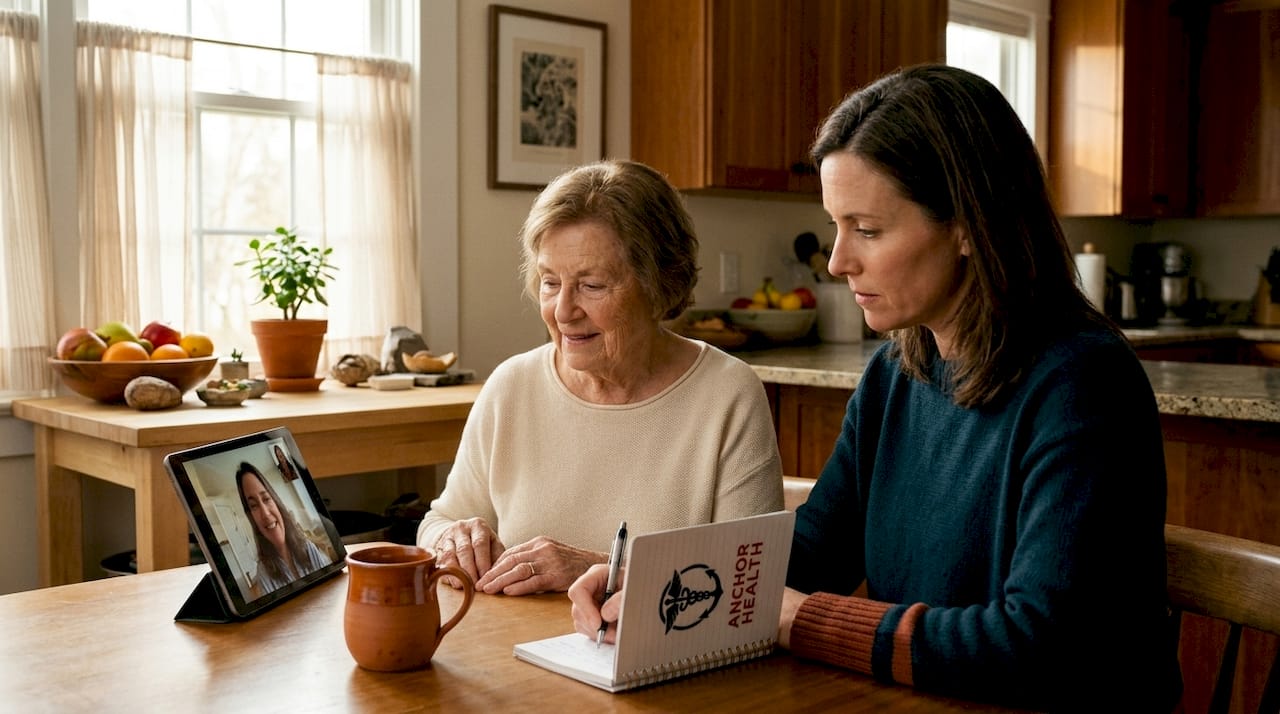
When your parent or grandparent needs more consistent medical attention and getting to a clinic has become difficult, knowing your options matters more than almost anything else. The types of eldercare telehealth services available today cover far more ground than most families realize, from live video visits with a physician to passive home monitoring that requires zero effort from your loved one. Approximately 7 million homebound older adults in the U.S. now depend on some form of remote care, and the technology supporting them has grown significantly. This guide walks you through each service type, what to look for, and how to choose the right fit.
Table of Contents
- Key takeaways
- What types of eldercare telehealth services are available?
- 1. Live video consultations
- 2. Audio-only telehealth calls
- 3. Remote patient monitoring (RPM)
- 4. Passive monitoring technologies
- 5. Virtual care planning and nurse-led assessments
- 6. Online elder therapy and mental health telehealth
- 7. Chronic disease management programs
- 8. Family-integrated telehealth platforms
- How to compare and choose the right service type
- My perspective on choosing eldercare telehealth services wisely
- How Myanchorhealthpc supports eldercare telehealth
- FAQ
Key takeaways
| Point | Details |
|---|---|
| Multiple service types exist | Eldercare telehealth spans video visits, audio calls, remote monitoring, and more. |
| Tech barriers are solvable | Passive monitoring works without senior input, making it accessible for all. |
| Family can be part of visits | Many platforms offer family join links for live appointments. |
| Federal rules support access | Seniors can receive telehealth from home through at least December 2027. |
| Combining services works best | A tiered approach using two or more service types delivers the most thorough care. |
What types of eldercare telehealth services are available?
Understanding the full range starts with knowing what categories exist. Eldercare telehealth is not a single product or app. It is a collection of distinct service types, each suited to different health needs, comfort levels, and caregiving situations. Below is a structured breakdown of the eight main types you are likely to encounter.
1. Live video consultations
Live video visits are the most recognized form of telemedicine for elderly patients. Your loved one connects with a licensed physician, nurse practitioner, or specialist through a secure video platform, typically on a tablet, smartphone, or computer. These eldercare virtual consultations can address primary care concerns, prescription refills, follow-ups after a hospital discharge, and even specialist referrals.
What makes them particularly practical is convenience. There is no waiting room, no transportation to arrange, and no exposure to illness in a crowded clinic. Federal rules allow seniors to receive telehealth from home for primary and specialty care through December 31, 2027, which means coverage continuity for most Medicare beneficiaries.
Pro Tip: Ask the telehealth provider whether they offer a “practice run” session before the first real appointment. A short tech check with a family member present eliminates most of the anxiety around the first visit.
2. Audio-only telehealth calls
Not every senior is comfortable on camera. Some lack reliable broadband, while others simply find video interfaces confusing. Audio-only Medicare telehealth calls remain an approved and important option for exactly this reason.
A standard phone call with a qualified provider can address medication questions, symptom triage, prescription refills, and care coordination. The care is not diminished by the lack of a camera. For a senior with hearing loss who has an amplified phone or hearing aid, a voice call is often far less stressful than a video setup.
This is one of the most underused home health telehealth options, precisely because families assume telehealth always means video. It does not.
3. Remote patient monitoring (RPM)
Remote patient monitoring collects health data from your loved one at home and transmits it automatically to their care team. Devices can track blood pressure, blood glucose, heart rate, weight, and oxygen levels. RPM programs typically require data collection at least 16 days per month and often use automatic transmission devices, meaning the senior does not need to manually log anything.
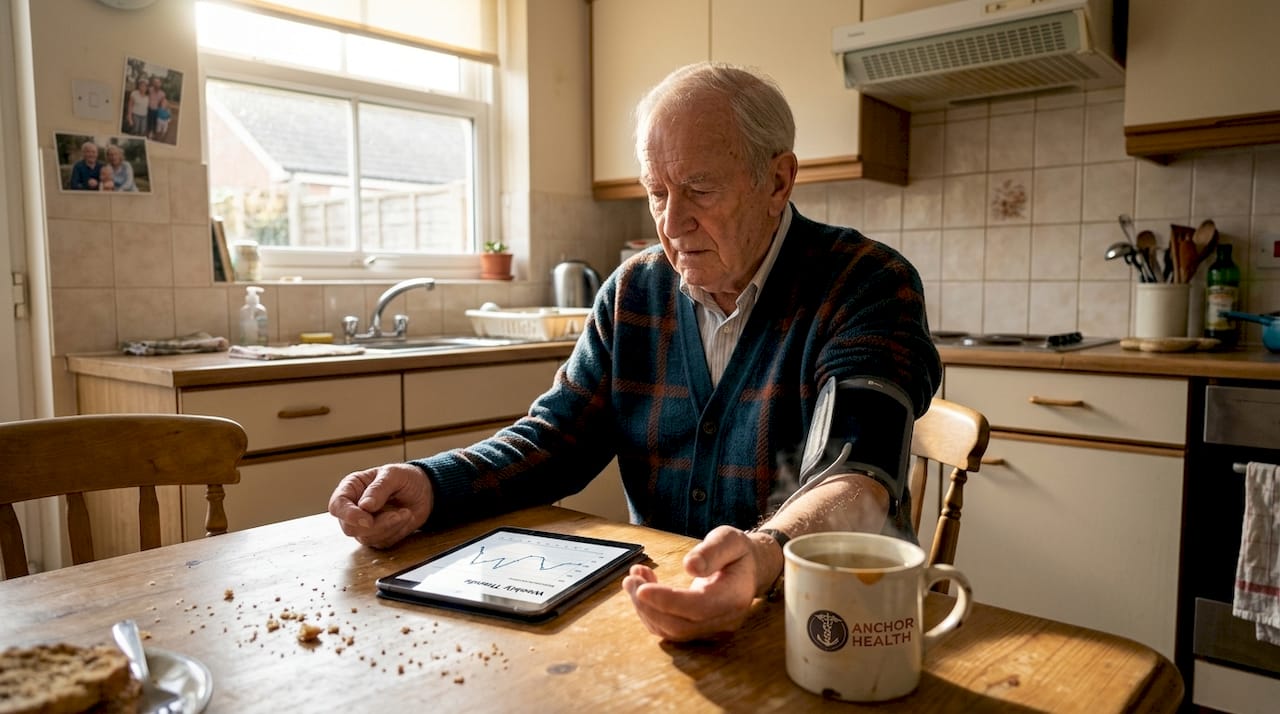
This type of service is especially well-suited for managing chronic conditions like heart failure, diabetes, or COPD. Subtle changes in daily readings alert clinicians before a small problem becomes a hospitalization.
Senior wellness telemonitoring through RPM also reduces the anxiety families carry between appointments, because someone trained is watching the numbers even when you cannot.
4. Passive monitoring technologies
This is where many families are surprised. Passive monitoring requires no active participation from the senior at all. Technologies like mmWave radar and door sensors can detect falls, track movement patterns, and transmit vital data without the senior needing to press a button, wear a device consistently, or interact with a screen.
For seniors with cognitive impairment, dementia, or limited mobility, this is not just convenient. It is the difference between having coverage and having none. A sensor in a doorway notices when someone stops leaving the bedroom in the morning. A radar unit placed in a living room can detect a fall silently and trigger an alert to family or a care team.
Passive monitoring is one of the most impactful mobile health services for seniors because it works around the senior’s limitations rather than demanding they adapt to the technology.
5. Virtual care planning and nurse-led assessments
This category is often overlooked by families focused on direct medical visits, yet it is one of the most practical forms of remote healthcare for seniors. Nurse-led virtual assessments focus on non-medical but critical factors: home safety evaluations, cognitive screening, medication reviews, and building a personalized aging-in-place roadmap.
Virtual care planning consultations help families manage complex aging-care needs without requiring the senior to leave home, and initial assessments are sometimes offered at no cost.
These sessions often produce a written care plan that coordinates across all the providers involved in your loved one’s life. That includes primary care, specialists, and home health aides. Having a clear written plan is something a 15-minute video visit alone rarely produces.
6. Online elder therapy and mental health telehealth
Mental health is frequently the most neglected dimension of senior care. Social isolation, grief from losing a spouse or friends, anxiety about health decline, and depression are widespread among older adults. Online elder therapy brings licensed counselors, psychologists, and psychiatrists directly to the senior at home through secure video visits.
Federal telehealth prescribing flexibilities extended through 2026 allow some psychiatric medications to be prescribed without a prior in-person visit, which removes a major practical barrier for seniors who need that support but cannot easily travel.
Mental health telehealth for the elderly is especially effective when the provider sees the same patient consistently. One-time crisis calls have value, but ongoing therapeutic relationships produce the most meaningful outcomes.
7. Chronic disease management programs
Some telehealth platforms specialize in managing specific chronic conditions over time. These programs combine video visits with an assigned care coordinator, regular RPM data review, and structured check-ins tailored to diseases like diabetes, hypertension, or heart failure.
The distinction from a general video visit is continuity. Your loved one sees the same care team repeatedly, that team knows their history, and care adjustments happen based on tracked data rather than episodic memory. A tiered approach combining virtual consultations and remote monitoring is recommended for effective chronic disease management in elderly patients.
This model closely mirrors what Myanchorhealthpc calls Anchored Care, where the goal is not to solve today’s problem but to build a relationship that prevents tomorrow’s crisis.
8. Family-integrated telehealth platforms
One of the most meaningful advances in recent eldercare telehealth is the formal inclusion of adult children and caregivers in the visit itself. Modern telehealth platforms offer family join links that allow adult children to participate live in virtual care appointments from their own location.
This matters practically. Seniors sometimes under-report symptoms or forget to mention key details. A family member who can ask follow-up questions or share observations from the past week gives the provider a much fuller picture. It also means the family stays informed about the care plan without relying on a phone call after the fact.
How to compare and choose the right service type
Not every type of telehealth service will fit your situation. Here is a comparison of the most common types to help clarify the decision.
| Service type | Technology needed | Senior effort | Best for | Family access |
|---|---|---|---|---|
| Live video consultation | Tablet or computer | Moderate | Primary care, follow-ups | Often yes |
| Audio-only call | Basic phone | Minimal | Low-tech seniors | Limited |
| Remote patient monitoring | Automatic devices | Minimal | Chronic disease tracking | Alert notifications |
| Passive monitoring | Installed sensors | None | Cognitive or mobility issues | Real-time alerts |
| Virtual care planning | Video or phone | Low | Aging-in-place planning | Full collaboration |
| Online elder therapy | Video | Moderate | Mental health, isolation | Sometimes |
When selecting among these types, consider these four factors:
- Health conditions: Chronic illness management calls for RPM and structured programs. Mental health needs call for therapy-focused platforms.
- Technology comfort: Low confidence with devices means audio-only calls or passive monitoring will provide the most coverage.
- Budget and insurance: Most Medicare plans cover live video visits and RPM. Virtual care planning and therapy coverage varies by plan.
- Caregiver access: If you live at a distance from your loved one, prioritize platforms with family join features and automated alerts.
Pro Tip: Do not try to start every service at once. Begin with one primary service, get your loved one comfortable, and add a second layer after 30 to 60 days. Layering gradually prevents overwhelm and improves adoption.
My perspective on choosing eldercare telehealth services wisely
I have spent considerable time working alongside families who are trying to do right by an aging parent, often from hundreds of miles away, with limited information and real urgency. What I have learned is that most families default to whichever telehealth service they find first, usually a general video visit platform, and then wonder why it is not meeting all their needs.
The truth is that no single service type covers everything. A live video visit does not catch a fall at 3 a.m. A passive sensor does not address depression. What I have found genuinely works is starting with an honest assessment of the senior’s three most pressing gaps: medical continuity, safety, and emotional wellbeing. Then matching one service type to each gap.
I also want to push back on the assumption that an elderly person who is not “good with technology” cannot benefit from telehealth. Passive monitoring requires no tech input from the senior at all. Audio calls need only a phone. The technology barrier is much lower than families expect once you match the right service to the right person.
Mental health telehealth, specifically, is one area where I have seen the most underinvestment and the most dramatic impact. A senior who gets consistent weekly therapy sees real changes in mood, engagement, and even physical health outcomes. The families who add this layer tend to report the most relief because their loved one is not just medically managed but genuinely supported.
— Paule
How Myanchorhealthpc supports eldercare telehealth
At Myanchorhealthpc, we understand that telehealth for elderly family members works best when it is backed by the right tools at home and a provider who takes time to know the patient.
For Maryland families looking to support a loved one’s health between visits, Myanchorhealthpc offers an online health store with practical home monitoring products. You can browse digital thermometers for daily temperature tracking, mobility support sticks that help seniors stay safely independent, and wound care bandages for managing minor injuries at home without a clinic visit. These tools pair directly with the remote and virtual care services described in this article, helping families create a more complete home health setup between telehealth appointments.
FAQ
What are the main types of eldercare telehealth services?
The main types include live video consultations, audio-only calls, remote patient monitoring, passive home monitoring, virtual care planning, online elder therapy, chronic disease management programs, and family-integrated telehealth platforms. Each type addresses a different aspect of senior health and caregiving need.
Does Medicare cover telehealth services for seniors at home?
Yes. Federal rules allow seniors to receive telehealth from home for primary care, specialty care, and mental health services through at least December 31, 2027, with coverage for both video and audio-only visits under Medicare.
What telehealth option works for seniors who avoid technology?
Passive monitoring technologies such as radar sensors and door monitors require no senior interaction and work automatically. Audio-only phone calls are also an approved option for seniors who are uncomfortable with video platforms.
Can family members join a senior’s telehealth appointment?
Yes. Many platforms now provide family join links that allow adult children or caregivers to participate in live virtual visits from a separate location, improving communication and shared care decisions.
How many telehealth service types should a senior use at once?
A tiered approach combining two or more service types is recommended for seniors managing chronic conditions. Start with one core service and add a second after 30 to 60 days once your loved one is comfortable with the first.
Recommended
- Digital Thermometer Archives – My Anchor Health PC – Maryland
- Support Stick Archives – My Anchor Health PC – Maryland
- face mask Archives – My Anchor Health PC – Maryland
- Bandage Archives – My Anchor Health PC – Maryland
Blog & Information Disclaimer
Last Updated: May 23, 2026
The information provided on the Anchor Health website (https://myanchorhealthpc.com/), including but not limited to blog posts, articles, newsletters, graphics, and other materials (collectively, the "Content"), is for general informational and educational purposes only.
By accessing and using this website, you acknowledge and agree to the following terms and conditions:
The Content on this website is not intended to be a substitute for professional medical advice, diagnosis, or treatment. Always seek the advice of your physician, nurse practitioner, or other qualified health provider with any questions you may have regarding a medical condition. Never disregard professional medical advice or delay in seeking it because of something you have read on this website.
Reading, interacting with, or sharing the Content on this website does not establish a patient-provider relationship between you and Anchor Health or any of its clinicians, including Paule Valery Joseph, PhD, MBA, CRNP, FAAN. A formal patient-provider relationship is only established after you have completed the formal intake process, signed our clinical consent forms, and participated in a secure clinical consultation.
If you are experiencing a medical emergency, call 911 or seek emergency medical services immediately.
Anchor Health is a primary care practice and does not provide emergency or crisis intervention services through its website or blog.
While Anchor Health strives to provide thoughtful, evidence-based information grounded in our Anchored Care℠ model, healthcare is a rapidly evolving field. We make no representations or warranties, express or implied, about the completeness, accuracy, reliability, or suitability of the information contained in the Content. Any reliance you place on such information is strictly at your own risk.
Anchor Health is a telehealth practice providing services to patients physically located within the state of Maryland. The information provided on this blog is intended for residents of Maryland and is governed by the laws and regulations of that state. Accessing this information from outside of Maryland does not imply that our clinicians are licensed to practice medicine or provide consultations in your jurisdiction.
Content related to Weight & Metabolic Health, including discussions of GLP-1 medications or other medical therapies, is provided for educational context regarding our clinical approach. Prescriptions and specific medical recommendations are only made following a comprehensive clinical evaluation, diagnostic testing, and shared decision-making within a formal patient-provider relationship.
This website may contain links to external websites that are not provided or maintained by or in any way affiliated with Anchor Health. Please note that Anchor Health does not guarantee the accuracy, relevance, timeliness, or completeness of any information on these external websites.
To the fullest extent permitted by law, Anchor Health, its owners, and its employees shall not be liable for any direct, indirect, incidental, consequential, or punitive damag
Related posts