Telehealth Benefits for Busy Caregivers in 2026
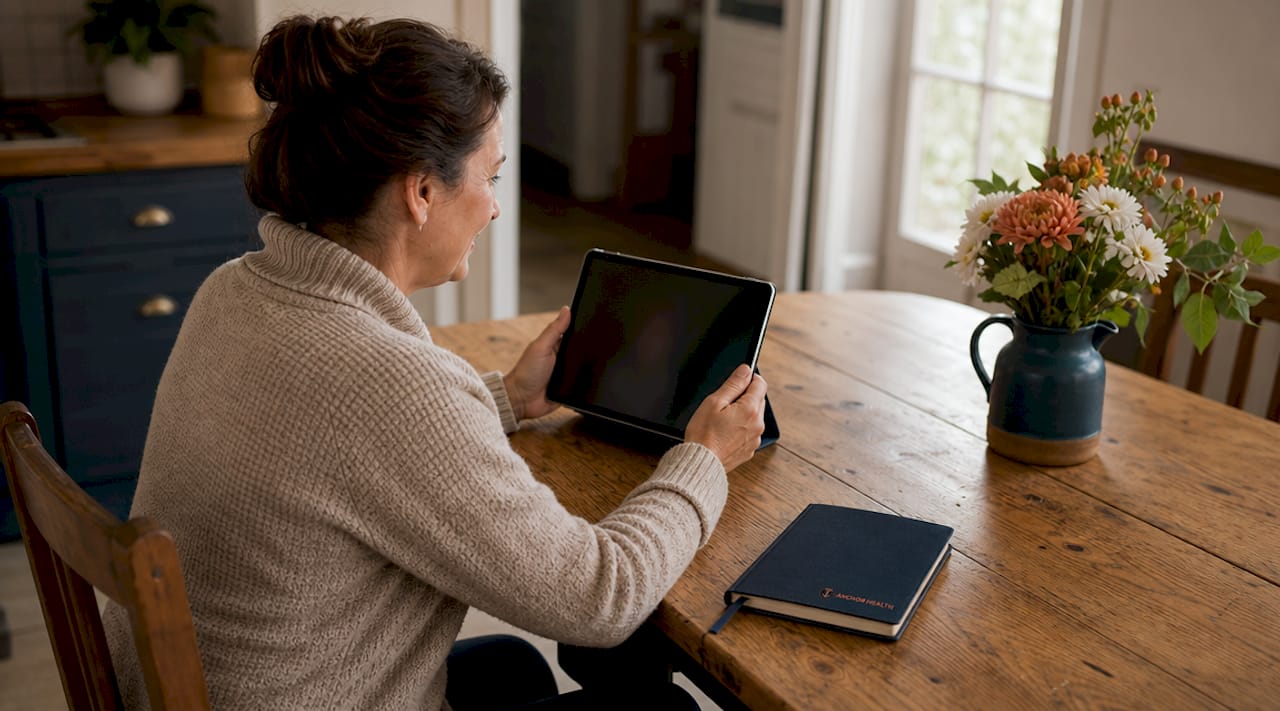
Telehealth is defined as the delivery of healthcare services through secure digital channels, including video visits, phone consultations, and app-based monitoring, and it is the most practical tool available to caregivers managing their own health alongside someone else’s. The telehealth benefits for busy caregivers are well-documented: reduced travel time, flexible scheduling, lower depressive symptoms, and stronger continuity of care. Research from 2026 confirms that telehealth guidance service use correlates with decreased depression and increased caregiving competence among family caregivers. Platforms like TeleCARE and Ontario’s telehomecare program have demonstrated measurable reductions in caregiver strain. If you are managing a parent’s dementia care, a child’s chronic condition, or a family member’s recovery, virtual care is not a convenience. It is a clinical strategy.
1. Telehealth benefits for busy caregivers start with access
Caregivers are among the least likely adults to attend their own medical appointments. The reason is structural: scheduling a visit requires arranging coverage for the person they care for, traveling, waiting, and returning. Telehealth removes every one of those steps.
- No travel required. A video visit with a primary care provider takes 20 to 30 minutes from your home, office, or car.
- Flexible scheduling. Many telehealth platforms offer early morning, evening, and weekend slots that traditional clinics do not.
- Rural and mobility access. Caregivers in rural Maryland or those with limited mobility can reach a licensed provider without a two-hour round trip.
- Asynchronous options. Secure messaging and app-based symptom tracking let caregivers communicate with providers between visits, without booking a full appointment.
Pro Tip: When evaluating a telehealth platform, confirm it offers asynchronous messaging and same-week scheduling. These two features alone eliminate the most common reasons caregivers skip their own care.
2. Mental health support is one of the strongest remote healthcare benefits

Caregiver burnout is a clinical reality, not a personal failing. Telehealth guidance service use is associated with lower depressive symptoms (β = −0.641, p < 0.01) and increased caregiving competence. This means that simply engaging with a telehealth support service, even briefly, produces measurable psychological benefit.
The TeleCARE program, a telehealth-adapted dementia caregiver skills training intervention, showed small but meaningful reductions in depression and anxiety post-program. Small effect sizes matter when you are already depleted. A meta-analysis of 35 trials covering 3,388 participants found that eHealth interventions reduce caregiver burden (SMD −0.26) and depressive symptoms (SMD −0.27), with short-term programs of eight weeks or fewer showing the strongest results.
Telehealth mental health support for caregivers typically includes:
- Individual counseling via video. Licensed therapists available through platforms like teletherapy services offer flexible scheduling specifically designed for working adults and caregivers.
- Virtual peer support groups. Structured group sessions with other caregivers reduce isolation and build practical coping skills.
- Behavioral coaching. Short, focused sessions on stress management, sleep hygiene, and communication with care recipients.
“Telehealth benefits emerge not just from convenience but also via caregiver competence and continuity of care, with psychological resilience moderating the impact on depressive symptoms.” — MDPI Healthcare, 2026
3. Comparing telehealth formats and the hybrid care model
Not all telehealth is the same, and the format you choose shapes the quality of care you receive. Understanding the differences helps you plan visits strategically rather than reactively.
| Format | Best for | Limitations |
|---|---|---|
| Video visit | Medication reviews, mental health, chronic condition check-ins | Requires stable internet and a private space |
| Phone consultation | Quick follow-ups, prescription refills, lab result reviews | No visual assessment; less personal |
| App-based monitoring | Ongoing symptom tracking, blood pressure logs, glucose data | Requires consistent engagement to be useful |
| In-person visit | Physical exams, new symptoms, functional assessments | Requires travel and scheduling coverage |
Research confirms that most caregivers favor a hybrid model that alternates remote visits for follow-ups with in-person appointments for complex clinical needs. Telemedicine improves continuity of care and strengthens the caregiver-provider relationship, but it cannot replace a physical exam. Caregivers of older adults with dementia specifically rated telemedicine as useful, accessible, and safe, while acknowledging that physical exams require in-person visits.
The practical takeaway: use telehealth for stable condition management, medication adjustments, and behavioral guidance. Reserve in-person visits for new or worsening symptoms, annual physicals, and any situation requiring hands-on assessment.
Pro Tip: Build a simple care calendar that designates which appointments are telehealth-appropriate and which require in-person visits. Share it with your provider so they can help you triage efficiently.
4. Technology challenges and how to overcome them
65% of TeleCARE participants needed ongoing technical support throughout the study. That number reflects a real barrier, not a personal limitation. Telehealth platforms vary significantly in their ease of use, and caregivers who are already stretched thin cannot afford a 20-minute tech troubleshooting session before a medical appointment.
The most common barriers include:
- Device compatibility. Older tablets or phones may not support current video platforms. Confirm your device meets the platform’s requirements before your first visit.
- Internet reliability. A wired connection or strong Wi-Fi signal is more stable than cellular data for video visits.
- Privacy setup. Use a private room and headphones. Confirm the platform uses HIPAA-compliant encryption before sharing health information.
- Login and access. Create your patient portal account and test the video connection at least 24 hours before your first appointment.
- Ongoing engagement. Benefits may not sustain at three months post-intervention without continued use. Schedule follow-up visits before you feel you need them.
Recruitment and retention in telehealth programs improve significantly when providers offer pre-visit tech checks and clear privacy guidance. Ask your telehealth provider whether they offer a tech orientation session. Providers who skip this step are not set up to serve busy caregivers well.
Pro Tip: Before committing to any telehealth platform, ask whether they offer a free tech setup call. Platforms that invest in onboarding reduce your friction and signal a patient-centered approach.
5. Caregiver strain reduction through digital health support
Ontario’s telehomecare program tracked caregiver strain over 12 months and found a modest but consistent decrease alongside improved patient quality of life. Caregiver strain scores dropped from 10.7 to 10.3 unadjusted. That may sound small, but for caregivers already near their limit, even a modest reduction in daily burden has compounding effects on health and sustainability.
Digital health support tools extend the benefit beyond scheduled visits. Wearable monitors, app-based medication reminders, and remote patient monitoring devices allow caregivers to track a loved one’s health status without constant in-person supervision. This reduces the cognitive load of caregiving, which is often as exhausting as the physical demands.
Telehealth also supports transitioning elderly loved ones to home-based care by giving families a reliable clinical contact point without requiring hospital or clinic visits. When a care recipient’s condition changes, a same-day video visit with a trusted provider is faster and less disruptive than an emergency room trip.
6. Top telehealth platforms and tools suited for busy caregivers
Choosing the right platform determines whether telehealth actually fits into your life. The best telehealth platforms for busy caregivers share three qualities: flexible scheduling, clear communication tools, and dedicated support for both the caregiver and the care recipient.
- Myanchorhealthpc (Anchor Health). A Maryland-based telehealth primary care provider operating on the Anchored Care℠ᴵᴾ model. It offers relationship-based primary care, women’s health, mental and emotional health support, pediatric and adolescent care, and weight management, all via secure video visits. It accepts insurance and offers membership options for caregivers who want consistent, ongoing access to the same provider.
- General telehealth primary care platforms. Look for platforms that offer same-week appointments, asynchronous messaging, and a consistent assigned provider rather than rotating on-call physicians.
- Mental health-specific platforms. Platforms focused on therapy and counseling offer licensed therapists with evening and weekend availability, which is critical for caregivers who cannot step away during business hours.
- Pediatric telehealth tools. If you are managing a child’s health alongside an adult care recipient, platforms that handle pediatric telehealth setup for the whole family reduce the number of separate systems you manage.
- Remote monitoring tools. Devices like blood pressure cuffs, pulse oximeters, and continuous glucose monitors that sync with a provider’s portal allow passive health tracking without additional appointments.
When evaluating any platform, confirm it offers a free trial period or a no-cost initial consultation. This lets you assess the provider relationship before committing financially.
Key takeaways
Telehealth reduces caregiver burden, improves mental health outcomes, and expands access to care, but only when caregivers choose the right format, get proper tech support, and maintain consistent engagement over time.
| Point | Details |
|---|---|
| Access and flexibility | Telehealth eliminates travel and offers evening or weekend scheduling that fits caregiving schedules. |
| Mental health outcomes | Research shows telehealth guidance reduces depressive symptoms and increases caregiving competence. |
| Hybrid care is most effective | Most caregivers benefit from combining telehealth follow-ups with in-person visits for physical exams. |
| Tech support is non-negotiable | 65% of telehealth participants needed ongoing tech assistance; choose platforms that provide onboarding. |
| Sustained engagement matters | Benefits from telehealth programs may fade by three months without continued follow-up or booster sessions. |
What I have learned about telehealth and caregiver self-care
The research is clear, but the lived experience adds a layer the studies do not fully capture. Caregivers consistently put their own health last. Not because they do not care, but because the logistics of getting care feel impossible when someone else depends on you every hour of the day.
What I have seen, both in the research and in working with families, is that the caregivers who benefit most from telehealth are the ones who treat their own appointments with the same seriousness they give to the person they care for. That shift in mindset matters as much as the platform you choose.
The hybrid model is not a compromise. It is the clinically sound approach. Use video visits for what they do well: follow-ups, mental health check-ins, medication management, and chronic condition monitoring. Show up in person when the situation calls for it. And do not wait until you are in crisis to book a visit.
One practical recommendation: find a provider who knows you over time. Episodic care from rotating providers misses the patterns that matter most in caregiver health. A consistent provider who understands your caregiving context will catch things a one-time urgent care visit never will.
— Paule
Start your telehealth care with a provider who understands caregivers
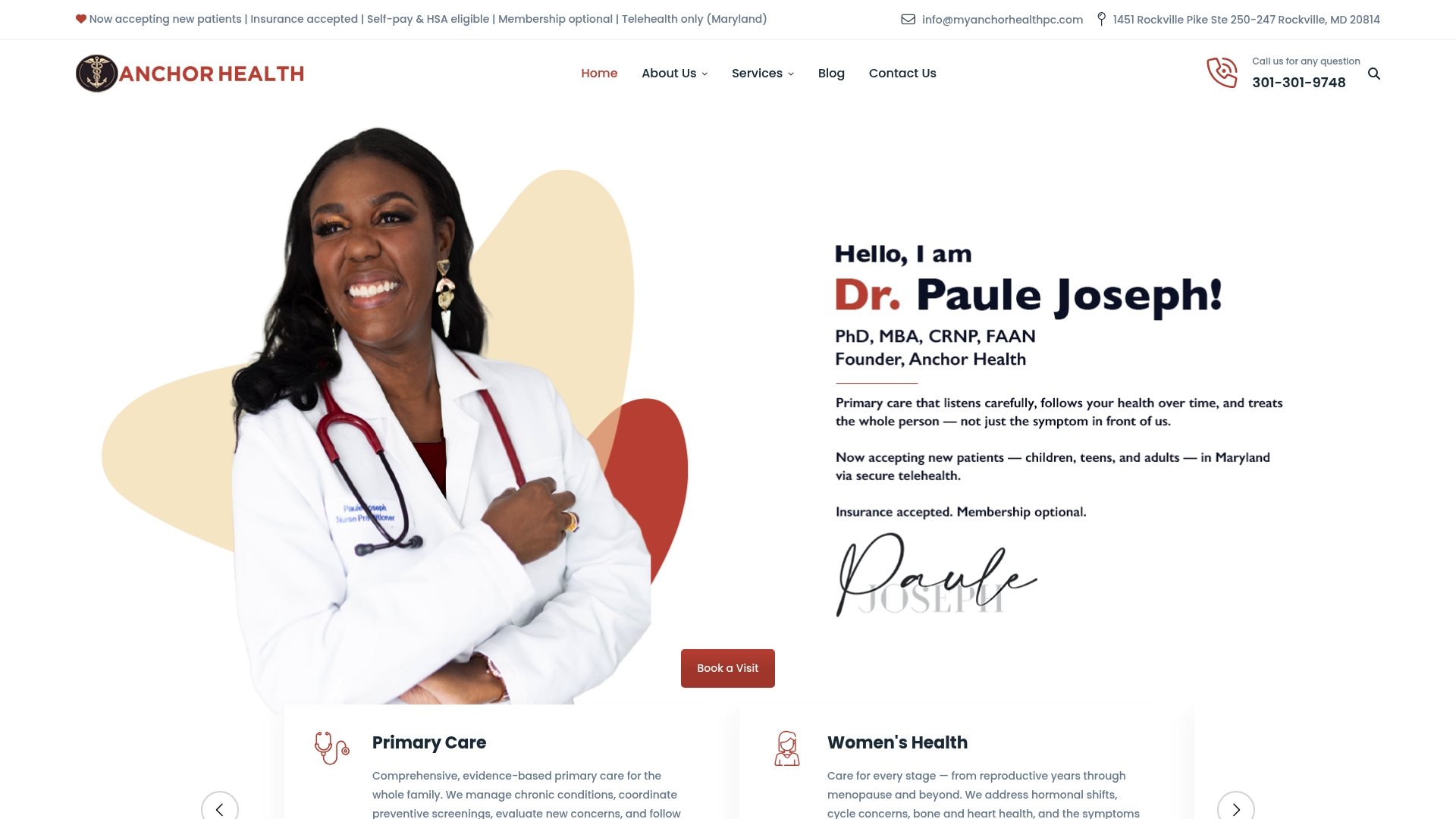
Caregivers deserve the same quality of care they give. Myanchorhealthpc offers Maryland-based telehealth primary care built around continuity, flexibility, and real provider relationships through the Anchored Care℠ᴵᴾ model. Whether you need primary care, mental health support, or help managing your own chronic condition, Myanchorhealthpc works around your schedule, not the other way around. Start by learning how to choose telehealth primary care for your family, or review the practical steps for attending a telehealth visit as a caregiver so your first appointment is smooth and productive.
FAQ
What are the main telehealth benefits for busy caregivers?
Telehealth gives caregivers flexible scheduling, no-travel access to primary care and mental health services, and tools for ongoing health monitoring. Research confirms it reduces depressive symptoms and increases caregiving competence when used consistently.
Is a hybrid telehealth and in-person model better than telehealth alone?
Yes. Studies show most caregivers prefer a hybrid approach that uses remote visits for follow-ups and in-person appointments for physical exams and complex clinical needs. Telehealth alone cannot replace hands-on assessment.
How do I handle tech problems before a telehealth visit?
Test your device, internet connection, and platform login at least 24 hours before your appointment. Choose a provider that offers a pre-visit tech orientation, since 65% of telehealth participants in clinical studies needed ongoing technical support.
Will telehealth mental health benefits last over time?
Not automatically. Research shows that improvements in depression and anxiety from telehealth programs may not sustain at three months without continued engagement. Schedule regular follow-up sessions rather than treating telehealth as a one-time intervention.
Can telehealth support both my health and my care recipient’s health?
Yes. Many telehealth platforms, including Myanchorhealthpc, offer care for all ages and conditions, allowing caregivers to manage their own primary care and their family member’s health through the same trusted provider relationship.
Recommended
- How to Attend a Telehealth Visit as a Caregiver
- How to Choose Telehealth Primary Care for Your Family
- How telehealth expands healthcare access for Maryland families
Blog & Information Disclaimer
Last Updated: May 23, 2026
The information provided on the Anchor Health website (https://myanchorhealthpc.com/), including but not limited to blog posts, articles, newsletters, graphics, and other materials (collectively, the "Content"), is for general informational and educational purposes only.
By accessing and using this website, you acknowledge and agree to the following terms and conditions:
The Content on this website is not intended to be a substitute for professional medical advice, diagnosis, or treatment. Always seek the advice of your physician, nurse practitioner, or other qualified health provider with any questions you may have regarding a medical condition. Never disregard professional medical advice or delay in seeking it because of something you have read on this website.
Reading, interacting with, or sharing the Content on this website does not establish a patient-provider relationship between you and Anchor Health or any of its clinicians, including Paule Valery Joseph, PhD, MBA, CRNP, FAAN. A formal patient-provider relationship is only established after you have completed the formal intake process, signed our clinical consent forms, and participated in a secure clinical consultation.
If you are experiencing a medical emergency, call 911 or seek emergency medical services immediately.
Anchor Health is a primary care practice and does not provide emergency or crisis intervention services through its website or blog.
While Anchor Health strives to provide thoughtful, evidence-based information grounded in our Anchored Care℠ model, healthcare is a rapidly evolving field. We make no representations or warranties, express or implied, about the completeness, accuracy, reliability, or suitability of the information contained in the Content. Any reliance you place on such information is strictly at your own risk.
Anchor Health is a telehealth practice providing services to patients physically located within the state of Maryland. The information provided on this blog is intended for residents of Maryland and is governed by the laws and regulations of that state. Accessing this information from outside of Maryland does not imply that our clinicians are licensed to practice medicine or provide consultations in your jurisdiction.
Content related to Weight & Metabolic Health, including discussions of GLP-1 medications or other medical therapies, is provided for educational context regarding our clinical approach. Prescriptions and specific medical recommendations are only made following a comprehensive clinical evaluation, diagnostic testing, and shared decision-making within a formal patient-provider relationship.
This website may contain links to external websites that are not provided or maintained by or in any way affiliated with Anchor Health. Please note that Anchor Health does not guarantee the accuracy, relevance, timeliness, or completeness of any information on these external websites.
To the fullest extent permitted by law, Anchor Health, its owners, and its employees shall not be liable for any direct, indirect, incidental, consequential, or punitive damag
Related posts