What Gynecological Primary Care Includes for Women

Gynecological primary care is defined as the preventive, diagnostic, and ongoing health management women receive for their reproductive and related overall health, delivered through routine exams, screenings, counseling, and coordinated chronic disease support. This is the clinical framework most women interact with at annual well-woman visits, though the industry term “gynecological primary care” covers far more than a single yearly appointment. Understanding what these services include helps you prepare, ask better questions, and get more from every visit. This article breaks down each component so you know exactly what to expect and why each piece matters.
What does gynecological primary care include at a typical visit?
A gynecological primary care visit begins with a structured clinician interview covering your current symptoms, menstrual history, sexual health, medications, and relevant family history. This conversation is not a formality. It shapes which physical exams and tests your provider orders that day.
The physical exam portion typically includes three components:
- Breast exam: Your provider checks for lumps, skin changes, or nipple discharge that may warrant imaging or referral.
- Pelvic exam: A visual and manual assessment of the vulva, vagina, cervix, uterus, and ovaries to identify structural changes, tenderness, or abnormalities.
- General physical assessment: Blood pressure, weight, and other vitals that connect reproductive health to your broader wellness picture.
In-office tests vary by visit purpose. Common options include a Pap smear to collect cervical cells, an HPV test, a vaginal pH test to screen for bacterial or yeast imbalance, and urine or blood tests when pregnancy, infection, or hormonal concerns are present. Blood and urine tests are particularly useful for evaluating reproductive tract infections and conditions that do not always produce obvious symptoms.
Gynecological care visits are personalized. A visit focused on irregular bleeding will look different from a routine screening appointment. Your provider adjusts the exam and testing based on what you report and what your history shows.

Pro Tip: Bring a list of your prior Pap smear and HPV test results to every visit. Knowing your screening history helps your provider determine the right interval for your next test and avoids unnecessary repeat procedures.
How is cervical cancer screening part of routine gynecological care?
Cervical cancer screening is one of the most consistent and evidence-backed services in women’s reproductive health care. Current US guidelines recommend Pap tests every 3 years for women ages 21–29 and primary HPV testing or co-testing every 5 years for women ages 30–65. These intervals reflect the biology of cervical cell changes, which typically develop slowly enough that annual testing adds little benefit for average-risk women.
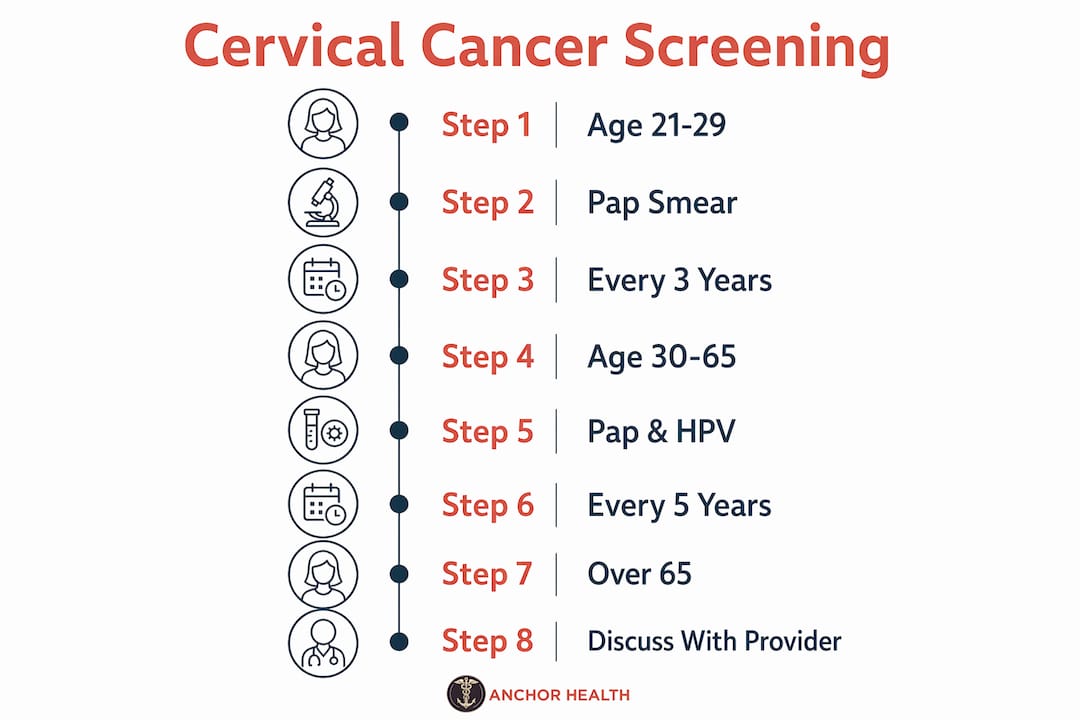
The table below summarizes the key screening parameters:
| Age Group | Screening Method | Recommended Interval |
|---|---|---|
| Ages 21–29 | Pap smear (cytology only) | Every 3 years |
| Ages 30–65 | Primary HPV test or co-test (HPV + Pap) | Every 5 years |
| Under 21 | Screening not recommended | N/A |
| Over 65 | Discontinue if prior results normal | N/A |
When results come back abnormal, your provider does not simply send you home. Follow-up may include a repeat Pap smear, a colposcopy (a closer visual exam of the cervix), or a biopsy. Gynecological primary care providers play a direct role in making sure patients complete the full screening pathway, including those follow-up steps, rather than falling through the gaps between appointments.
Screening intervals should also account for your prior results and test availability. A woman with a history of high-grade abnormalities may need more frequent monitoring even after treatment. Optimal preventive care combines age, prior results, and test type to avoid both under-screening and unnecessary procedures.
What else does gynecological care cover: contraception, menopause, and more
Gynecological primary care extends well beyond cancer screening. Three areas that frequently come up across different life stages are contraceptive management, menopause care, and evaluation of infections or reproductive tract concerns.
Contraceptive counseling and management
Contraceptive counseling is a standard part of annual gynecological visits. Your provider reviews your current method, discusses effectiveness, side effects, and whether your needs have changed. Services commonly offered include:
- Prescription and management of hormonal contraceptives (pills, patches, rings, injections)
- Counseling on barrier methods and fertility awareness approaches
- Referral or in-office placement of long-acting options like intrauterine devices (IUDs) or implants
- Routine monitoring for side effects or contraindications over time
Menopause assessment and pelvic health
Menopause is diagnosed after 12 consecutive months without a menstrual period, with an average onset around age 51. Gynecological primary care prepares you for this transition before symptoms become disruptive. Providers assess hot flashes, sleep disruption, vaginal dryness, and urinary symptoms, then discuss management options ranging from lifestyle changes to hormone therapy.
Menopause care in primary gynecology is proactive, not reactive. Providers anticipate pelvic floor changes and genitourinary symptoms and address them before they significantly affect quality of life. Pelvic floor health, in particular, is often underreported by patients who assume leakage or pelvic pressure is simply a normal part of aging.
Evaluating infections and vaginal health
Vaginal pH testing is a simple in-office tool that gives your provider an immediate clue about microbial balance. An elevated pH can point toward bacterial vaginosis, while a normal pH with symptoms may suggest a yeast infection or other cause. This single test shapes which additional diagnostics or treatments follow.
Pro Tip: Tell your provider about every symptom, even ones that feel minor or embarrassing. Discharge color, odor, pelvic pressure, and changes in libido are all clinically relevant. The more openly you communicate, the more precisely your care can be tailored.
How gynecological primary care connects to whole-person women’s health
Women’s primary care is not limited to reproductive organs. Comprehensive women’s primary care integrates preventive gynecological services with chronic disease management, behavioral health support, and general wellness in a single coordinated framework. This model reflects the reality that conditions like diabetes, hypertension, depression, and thyroid disease all affect and are affected by reproductive health.
Primary care providers managing gynecological concerns also handle:
- Screening and management of chronic conditions including hypertension, diabetes, and thyroid disorders
- Behavioral health support for anxiety, depression, and stress-related concerns that often surface during reproductive health transitions
- Preventive counseling on nutrition, physical activity, and weight management
- STI screening and sexual health education as part of routine preventive visits
- Coordination with specialists when concerns exceed routine primary care scope
Referral to gynecologic specialists is appropriate when issues become complex. Fertility challenges, pelvic floor disorders, endometriosis, or abnormal screening results that require surgical evaluation all warrant specialist involvement. Your primary care provider serves as the first point of contact and the coordinator who ensures nothing falls through the cracks.
Primary care providers are equipped to manage routine breast and pelvic exams, Pap smears, STI testing, and contraception as a first line of support. This means many women can receive consistent, relationship-based gynecological care without needing a separate specialist for every concern. You can read more about this coordination in Myanchorhealthpc’s overview of primary care’s role in women’s reproductive health.
Key takeaways
Gynecological primary care is a structured, preventive, and whole-person approach that covers exams, screenings, contraception, menopause, infection management, and chronic disease support across every stage of a woman’s life.
| Point | Details |
|---|---|
| Visit structure is personalized | Exams and tests adjust to your symptoms and screening history, not a fixed checklist. |
| Cervical screening follows age-based intervals | Pap tests every 3 years for ages 21–29; HPV co-testing every 5 years for ages 30–65. |
| Contraception and menopause care are included | Annual visits cover method counseling, monitoring, and proactive menopause assessment. |
| Whole-person care is the standard | Gynecological primary care connects to chronic disease, behavioral health, and preventive wellness. |
| Referrals happen when complexity increases | Fertility issues, pelvic floor disorders, and abnormal results trigger timely specialist coordination. |
What i’ve learned about gynecological primary care after years of observation
Most women I speak with think of their annual gynecological visit as a Pap smear appointment. That framing undersells what the visit can and should accomplish.
The most underused part of gynecological primary care is the conversation before the exam. Providers can address menstrual irregularities, sexual health concerns, mood changes tied to hormonal shifts, and early signs of chronic conditions in that same appointment. Women who come prepared with questions consistently leave with more complete care.
The other misconception I see regularly is the assumption that you need a specialist for every gynecological concern. Routine contraception management, menopause symptom assessment, and vaginal health evaluations are all within the scope of a skilled primary care provider. Specialists are valuable, but they are not always the first or only answer.
What actually produces better long-term outcomes is continuity. A provider who knows your history, tracks your screening results over time, and notices when something has changed is more valuable than a series of disconnected specialist visits. That relationship is the foundation of effective women’s primary care. If you are preparing for your first visit or returning after a gap, Myanchorhealthpc’s guide on navigating your first visit offers practical preparation steps worth reviewing.
— Paule
Telehealth makes gynecological primary care more accessible
Accessing consistent gynecological primary care should not require taking a half day off work or driving across town. Myanchorhealthpc delivers women’s health primary care through secure video visits in Maryland, covering well-woman exams, contraception counseling, menopause assessment, and chronic disease management without requiring an in-person appointment for every concern.
The Anchored Care℠ model prioritizes continuity, meaning your provider knows your history and follows up on your screenings over time. If you are ready to find a telehealth primary care provider who treats your reproductive and overall health as connected, Myanchorhealthpc’s guide to choosing telehealth primary care is a practical starting point.
FAQ
What is included in a well-woman gynecological visit?
A well-woman visit typically includes a clinician interview, breast and pelvic exam, cervical cancer screening when due, and any indicated lab tests such as STI screening or blood work. The exact components adjust based on your age, symptoms, and screening history.
How often should women get gynecological check-ups?
Most women benefit from an annual well-woman visit, though cervical cancer screening intervals are every 3–5 years depending on age and test type. Your provider determines the right schedule based on your individual risk factors and prior results.
Can a primary care provider handle gynecological concerns?
Yes. Primary care providers routinely manage Pap smears, contraception, STI testing, menopause assessment, and pelvic exams. Referral to a gynecologic specialist is reserved for complex conditions like fertility issues or abnormal screening follow-up.
What is vaginal pH testing and why does it matter?
Vaginal pH testing measures the acidity of vaginal secretions to help identify infections like bacterial vaginosis or rule out other causes of symptoms. It is a quick, in-office test that guides more targeted treatment decisions.
Does gynecological primary care include mental health support?
Comprehensive women’s primary care models, including those at providers like Myanchorhealthpc, integrate behavioral health support alongside gynecological services. Mood changes tied to hormonal shifts, perimenopause, or postpartum recovery are all appropriate topics to raise at a primary care visit.
Recommended
- Primary Care’s Role in Women’s Reproductive Health
- How to Navigate Your First Primary Care Visit Alone
- Functional Primary Care: What You Need to Know
- Family Primary Care Best Practices for Every Age
Blog & Information Disclaimer
Last Updated: May 23, 2026
The information provided on the Anchor Health website (https://myanchorhealthpc.com/), including but not limited to blog posts, articles, newsletters, graphics, and other materials (collectively, the "Content"), is for general informational and educational purposes only.
By accessing and using this website, you acknowledge and agree to the following terms and conditions:
The Content on this website is not intended to be a substitute for professional medical advice, diagnosis, or treatment. Always seek the advice of your physician, nurse practitioner, or other qualified health provider with any questions you may have regarding a medical condition. Never disregard professional medical advice or delay in seeking it because of something you have read on this website.
Reading, interacting with, or sharing the Content on this website does not establish a patient-provider relationship between you and Anchor Health or any of its clinicians, including Paule Valery Joseph, PhD, MBA, CRNP, FAAN. A formal patient-provider relationship is only established after you have completed the formal intake process, signed our clinical consent forms, and participated in a secure clinical consultation.
If you are experiencing a medical emergency, call 911 or seek emergency medical services immediately.
Anchor Health is a primary care practice and does not provide emergency or crisis intervention services through its website or blog.
While Anchor Health strives to provide thoughtful, evidence-based information grounded in our Anchored Care℠ model, healthcare is a rapidly evolving field. We make no representations or warranties, express or implied, about the completeness, accuracy, reliability, or suitability of the information contained in the Content. Any reliance you place on such information is strictly at your own risk.
Anchor Health is a telehealth practice providing services to patients physically located within the state of Maryland. The information provided on this blog is intended for residents of Maryland and is governed by the laws and regulations of that state. Accessing this information from outside of Maryland does not imply that our clinicians are licensed to practice medicine or provide consultations in your jurisdiction.
Content related to Weight & Metabolic Health, including discussions of GLP-1 medications or other medical therapies, is provided for educational context regarding our clinical approach. Prescriptions and specific medical recommendations are only made following a comprehensive clinical evaluation, diagnostic testing, and shared decision-making within a formal patient-provider relationship.
This website may contain links to external websites that are not provided or maintained by or in any way affiliated with Anchor Health. Please note that Anchor Health does not guarantee the accuracy, relevance, timeliness, or completeness of any information on these external websites.
To the fullest extent permitted by law, Anchor Health, its owners, and its employees shall not be liable for any direct, indirect, incidental, consequential, or punitive damag
Related posts