Adolescent Primary Care Explained: A Complete Guide

Adolescent primary care is specialized healthcare designed for young people between the ages of 10 and 24, covering the full span of puberty through early adulthood. It is not simply pediatric care with a higher age ceiling. This type of care addresses the physical, mental, behavioral, and social changes that define adolescence, a period of development unlike any other in a person’s life. What makes it distinct is the deliberate integration of confidentiality, autonomy support, and developmentally appropriate communication alongside the clinical work.
Here is what adolescent primary care typically includes at a glance:
- Preventive and well-visit care tailored to developmental stage, not just age
- Mental health screening for depression, anxiety, and behavioral risks
- Sexual and reproductive health counseling and education
- Substance use and injury prevention counseling
- Chronic condition management with continuity across the teen years
- Confidential one-on-one time with the provider during each visit
- Family involvement balanced with the teen’s growing independence
- Transition planning from pediatric to adult-focused care
Understanding adolescent primary care means recognizing that teens have health needs that neither a standard pediatric model nor a general adult practice is built to address fully. The goal, as the World Health Organization frames it, is not just the absence of disease but complete physical, mental, and social well-being for young people navigating one of life’s most demanding transitions.
What is adolescent primary care, and how does it approach teen health?
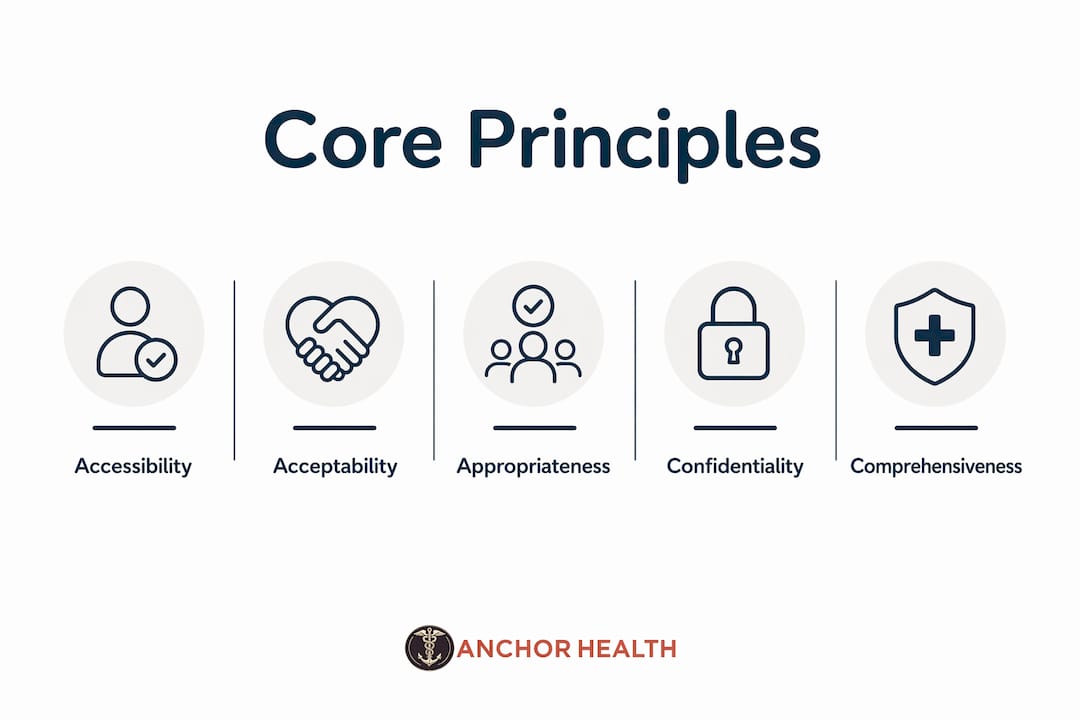
The foundation of adolescent primary care rests on five core principles: accessibility, acceptability, appropriateness, effectiveness, and equity. These are not abstract ideals. They shape every practical decision, from how a clinic schedules appointments to how a provider opens a conversation with a 15-year-old who has never seen a doctor without a parent in the room.

Adolescent-friendly care is built around the recognition that teens underuse the healthcare system. They are less likely than other age groups to seek care proactively, and when they do show up, they are more likely to disengage if they feel judged, rushed, or unheard. Building trust early is not a soft skill. It is the clinical strategy that makes everything else possible.
Providers who work with adolescents operate as both medical experts and health advocates. The approach includes:
- Non-judgmental communication that respects the teen as an individual, not a problem to be managed
- Motivational interviewing to help teens identify risky behaviors and take ownership of change
- Structured psychosocial screening using tools like HEEADSSS, which assesses home environment, education, activities, drugs, sexuality, suicide and depression, and safety
- Gradual transition from parent-led to teen-led health history, beginning as early as age 10
- Parental involvement at the start and end of visits, with private time for the teen in between
Pro Tip: Providers who introduce the concept of confidentiality at the very first visit, before any sensitive topic comes up, set a tone that makes teens far more likely to disclose honestly throughout the relationship. Framing it early removes the awkwardness of raising it later.
The HEEADSSS framework is worth understanding in more depth. It gives providers a structured way to assess the psychosocial landscape of a teen’s life without relying on a teen to volunteer difficult information unprompted. A question about school performance, for example, can open a conversation about depression or family stress that a direct clinical question never would. That kind of layered, conversational assessment is what separates adolescent primary care from a standard checkup.
What does an adolescent primary care visit actually include?
Annual well-visits for adolescents follow a structure that is meaningfully different from a pediatric checkup for a younger child. Physician visits with teens average about 16 minutes, but adolescent-focused practices often allocate more time specifically to accommodate psychosocial screening and counseling. That extra time is where the real clinical work happens.
A typical adolescent primary care visit covers:
- Physical examination including height, weight, blood pressure, vision, and hearing screening
- Pubertal development assessment appropriate to the teen’s stage
- Immunizations such as HPV, meningococcal, Tdap, and annual influenza vaccines
- Mental health screening for depression, anxiety, and suicidal ideation
- Substance use screening covering alcohol, tobacco, cannabis, and other drugs
- Sexual and reproductive health discussion, including contraception, STI screening, and consent education
- Injury prevention counseling covering seatbelts, helmets, and safe driving
- Nutrition, sleep, and physical activity guidance
The table below summarizes the core screening components and when they are typically prioritized:
| Visit Component | When It Is Prioritized |
|---|---|
| Depression and anxiety screening | Annually from age 12 onward |
| Substance use screening | Every visit from early adolescence |
| Sexual health counseling | When sexual activity begins or is anticipated |
| STI and pregnancy screening | Based on sexual activity and risk factors |
| HPV vaccine series | Early adolescence with catch-up immunization available |
| Blood pressure screening | Every annual visit |
| Cholesterol screening | Once between ages 9–11, again at 17–21 |
| Psychosocial HEEADSSS assessment | Every annual well-visit |

One aspect parents sometimes overlook is the role of motivational interviewing during these visits. Rather than telling a teen what to do, a skilled provider reflects the teen’s own stated goals back to them and helps them see the connection between their choices and their health. Teens respond to that approach far better than to authoritative instruction, and the research consistently supports it.
Pro Tip: Before your teen’s annual visit, encourage them to write down one or two health questions they want to ask privately. It helps them practice self-advocacy and gives the provider a natural entry point for confidential conversation.
For parents preparing for these visits, a pediatric annual checkup checklist can help you know what to expect and how to prepare your teen without inadvertently making the appointment feel like a parental interrogation.
How does prevention and risk-reduction counseling work in adolescent care?
Prevention is not a side note in adolescent primary care. It is the organizing principle. Leading causes of adolescent morbidity include unintentional injuries, substance use, mental health challenges, and sexual health risks. Every one of those is addressable through consistent, well-delivered primary care.
Anticipatory guidance is the clinical term for the proactive counseling providers deliver at each visit, covering what is coming developmentally and what risks to watch for. It is calibrated to where the teen is right now, not a generic script. A 12-year-old gets different guidance than a 17-year-old, even if both are at a “well visit.”
Key prevention topics covered in adolescent primary care include:
- Substance use avoidance with specific, age-appropriate information about alcohol, cannabis, vaping, and prescription misuse
- Safe sexual behavior including contraception options, STI prevention, and healthy relationship education
- Injury prevention covering motor vehicle safety, sports safety, and firearm safety in the home
- Mental health promotion with guidance on sleep hygiene, stress management, and when to seek help
- Healthy lifestyle habits including nutrition, physical activity, and screen time
Effective preventive counseling produces statistically significant reductions in risky behaviors among adolescents. That outcome depends on how the counseling is delivered, not just whether it happens. Providers who use a conversational, non-shaming approach and who tie prevention messages to the teen’s own values and goals see better results than those who deliver information as a checklist.
Parents play a real role here too. Adolescent care works best when providers and families are aligned, even if the teen is the one driving the conversation. Providers can coach parents on how to talk about sensitive topics at home without triggering defensiveness, which extends the reach of the clinical encounter well beyond the exam room. For a deeper look at how preventive care applies specifically to teens, Myanchorhealthpc’s guide on preventive care for teens covers the practical details families need.
Why does adolescent primary care matter for long-term health?
Regular adolescent primary care produces better health outcomes, and the mechanism is straightforward. Teens who have a consistent, trusted provider are more likely to seek care when something is wrong, more likely to follow through on referrals, and more likely to develop the health literacy skills they will need as adults. That continuity is the foundation of everything else.
The benefits of sustained adolescent primary care include:
- Early identification of chronic conditions like asthma, diabetes, and hypertension before they become harder to manage
- Mental health support at the point when most mental health conditions first emerge, typically during adolescence
- Health self-management skills that carry forward into adulthood, including knowing how to navigate the healthcare system independently
- Reduced emergency department use when primary care relationships are strong and accessible
- Smoother transition to adult medicine because the teen has already practiced being an active participant in their own care
- Reduced health disparities for adolescents from underserved communities who gain access to consistent, quality primary care
The transition gap from pediatric to adult care is one of the most underappreciated risks in adolescent health. Without a deliberate handoff, teens with chronic conditions can lose continuity of care precisely when their conditions require the most consistent management. Best practice guidelines recommend that transition planning begin as early as age 12 and continue through age 25 for young adults with complex health needs.
For older teens and young adults, understanding what preventive care for ages 18–25 looks like helps bridge that gap with intention rather than leaving it to chance.
Why confidentiality is the cornerstone of effective adolescent care
Confidentiality in adolescent care is both a legal right and a clinical tool. Without it, teens simply do not disclose. They will sit through an appointment, answer questions minimally, and leave without ever raising the issue that actually brought them in. When teens feel secure that their conversations are private, they share more sensitive health information, and that disclosure directly improves the quality of care they receive.
Confidentiality laws for minors vary by state, but the clinical standard is consistent: providers explain the limits of confidentiality clearly and early. The typical framework sounds something like this: conversations stay between the provider and the teen unless there is a risk of harm to the teen or others. That boundary is communicated to both the teen and the parent, so neither is surprised.
Structural practices that protect and reinforce confidentiality include:
- Private time during every visit, with parents asked to step out for the history and examination
- Clear explanation of mandatory reporting rules at the first visit and revisited as needed
- Avoiding written questionnaires in waiting rooms where other patients or parents might see responses
- Consulting the teen before the parent re-enters about what will and will not be shared
Pro Tip: Providers who revisit confidentiality briefly at the start of each annual visit, not just the first one, build a stronger foundation of trust over time. Teens’ circumstances change, and a quick reminder signals that the provider remembers and respects the agreement.
Parents sometimes feel excluded by this structure, and that reaction is understandable. The reassurance worth offering is this: confidential care does not mean parents are cut out. It means the teen has a space to be honest, which ultimately produces better clinical information and better outcomes for the whole family. The American Academy of Pediatrics policy on confidentiality in adolescent care is clear that this structure serves both the teen’s autonomy and the family’s long-term interests.
For families navigating the sensitive conversations that often surface in adolescent care, resources like this guide on why daughters avoid period talks offer a useful perspective on why privacy and trust matter so much during these years.
Key Takeaways
Adolescent primary care is most effective when it combines consistent clinical structure with genuine trust, confidentiality, and developmentally appropriate communication across the typical span from early puberty through early adulthood.
| Point | Details |
|---|---|
| Age range and scope | Adolescent primary care covers ages 10–24, bridging pediatric and adult medicine. |
| Confidentiality drives disclosure | Teens share more sensitive health information when they feel their conversations are private. |
| Visits cover multiple domains | Each well-visit addresses physical, mental, behavioral, and reproductive health. |
| Prevention is the organizing principle | Counseling on substance use, sexual health, injury, and mental well-being reduces risky behaviors. |
| Transition planning starts early | Best practice recommends beginning the handoff from pediatric to adult care at age 12. |
The evolution of adolescent primary care deserves more attention than it gets
Adolescent primary care has changed more in the past two decades than most people realize. The shift from treating teens as “small adults” or “big children” to recognizing them as a distinct clinical population with their own developmental framework was not automatic. It took sustained advocacy from organizations like the American Academy of Pediatrics and the Society for Adolescent Health and Medicine to establish the standards that now guide practice.
What strikes me most about where the field stands today is the growing emphasis on mental health integration. For years, mental health screening in adolescent primary care was inconsistent at best. Now, tools like the PHQ-A for adolescent depression screening are increasingly standard, and the expectation that a primary care provider will address behavioral health, not just refer out, is reshaping how practices are structured. That is a meaningful shift, and it is still unfolding.
Telehealth has added a dimension that deserves honest assessment. For many teens, a video visit removes barriers that would have kept them from showing up at all: transportation, scheduling conflicts, the discomfort of sitting in a waiting room where someone might recognize them. For sensitive conversations about mental health or sexual health, some teens actually find it easier to speak candidly from their own space. Myanchorhealthpc’s model of delivering telehealth for college students reflects exactly this reality, meeting young adults where they are rather than requiring them to navigate a system built for someone else’s convenience.
The area where I think the field still has real work to do is provider training. Knowing the HEEADSSS framework is not the same as being genuinely comfortable sitting with a 16-year-old who discloses something difficult. That skill takes practice, mentorship, and a willingness to stay in the discomfort rather than redirect to safer clinical ground. The teens who most need a trusted provider are often the ones who test whether a provider can handle what they have to say. Staying current with evolving best practices in adolescent medicine means investing in that human side of the work, not just the clinical protocols.
Pro Tip: Providers looking to deepen their adolescent care skills should engage with continuing education through the Society for Adolescent Health and Medicine, which offers training specifically focused on the communication and clinical competencies that make adolescent care effective.
Recommended
- What Does Preventive Care Mean for Teens: A Parent’s Guide
- Family Primary Care Best Practices for Every Age
- Examples of Preventive Care for Kids: Parent’s Guide
Blog & Information Disclaimer
Last Updated: May 23, 2026
The information provided on the Anchor Health website (https://myanchorhealthpc.com/), including but not limited to blog posts, articles, newsletters, graphics, and other materials (collectively, the "Content"), is for general informational and educational purposes only.
By accessing and using this website, you acknowledge and agree to the following terms and conditions:
The Content on this website is not intended to be a substitute for professional medical advice, diagnosis, or treatment. Always seek the advice of your physician, nurse practitioner, or other qualified health provider with any questions you may have regarding a medical condition. Never disregard professional medical advice or delay in seeking it because of something you have read on this website.
Reading, interacting with, or sharing the Content on this website does not establish a patient-provider relationship between you and Anchor Health or any of its clinicians, including Paule Valery Joseph, PhD, MBA, CRNP, FAAN. A formal patient-provider relationship is only established after you have completed the formal intake process, signed our clinical consent forms, and participated in a secure clinical consultation.
If you are experiencing a medical emergency, call 911 or seek emergency medical services immediately.
Anchor Health is a primary care practice and does not provide emergency or crisis intervention services through its website or blog.
While Anchor Health strives to provide thoughtful, evidence-based information grounded in our Anchored Care℠ model, healthcare is a rapidly evolving field. We make no representations or warranties, express or implied, about the completeness, accuracy, reliability, or suitability of the information contained in the Content. Any reliance you place on such information is strictly at your own risk.
Anchor Health is a telehealth practice providing services to patients physically located within the state of Maryland. The information provided on this blog is intended for residents of Maryland and is governed by the laws and regulations of that state. Accessing this information from outside of Maryland does not imply that our clinicians are licensed to practice medicine or provide consultations in your jurisdiction.
Content related to Weight & Metabolic Health, including discussions of GLP-1 medications or other medical therapies, is provided for educational context regarding our clinical approach. Prescriptions and specific medical recommendations are only made following a comprehensive clinical evaluation, diagnostic testing, and shared decision-making within a formal patient-provider relationship.
This website may contain links to external websites that are not provided or maintained by or in any way affiliated with Anchor Health. Please note that Anchor Health does not guarantee the accuracy, relevance, timeliness, or completeness of any information on these external websites.
To the fullest extent permitted by law, Anchor Health, its owners, and its employees shall not be liable for any direct, indirect, incidental, consequential, or punitive damag
Related posts