Irregular Periods? Here’s How Telehealth Can Help

Telehealth is an appropriate first step for evaluating most irregular menstrual cycles. A board-certified clinician can take a detailed history, review your symptoms, order labs, and start many common treatments, all through a secure video visit. The limits are real but narrow: telehealth cannot perform a pelvic exam, insert an IUD, or manage active heavy bleeding that requires same-day imaging or emergency care.
According to the NICHD, a normal menstrual cycle runs 21 to 35 days, and a notable proportion of people with periods experience some form of irregularity. That prevalence means most primary care clinicians see this concern regularly, and most of those cases are manageable without an in-person visit at the outset.
Seek in-person or urgent care immediately if you experience any of the following:
- Soaking through more than one pad or tampon per hour for two or more consecutive hours
- Bleeding during pregnancy, especially with pain or dizziness
- Severe lower abdominal pain with fever
- Fainting or signs of significant blood loss
For everyone else, a telehealth visit for menstrual health is a clinically sound starting point, and often the fastest way to get answers and a care plan.
Key Takeaways
Telehealth is a clinically sound first step for most irregular period evaluations, and many treatments can be started remotely after a single structured visit.
| Point | Details |
|---|---|
| Telehealth covers most initial evaluations | History, labs, prescriptions, and referrals are all manageable through a secure video visit for stable patients. |
| Prepare before your visit | Bring a menstrual log (three to six months), medication list, and recent lab results to speed diagnosis. |
| Know the red flags | Soaking more than one pad per hour, fever with pelvic pain, or pregnancy with bleeding requires same-day in-person care. |
| Choose a provider with full capability | Confirm board certification, lab ordering, referral networks, HIPAA compliance, and Maryland licensure before booking. |
| Myanchorhealthpc serves Maryland patients | Anchor Health offers board-certified telehealth evaluations with lab ordering, prescriptions, and coordinated in-person referrals when needed. |
Table of Contents
- Can telehealth handle your irregular period evaluation?
- What causes irregular periods, and what clues point to each?
- What happens during a telehealth visit for irregular periods?
- Which diagnostic tests can be ordered remotely, and which require in-person care?
- What treatments can a telehealth clinician start for irregular periods?
- When should you go in person or to urgent care instead?
- How do you choose the right telehealth provider for this?
- How Anchor Health delivers telehealth care for irregular periods
- Anchor Health is ready to evaluate your cycle, starting today
- Sources
Can telehealth handle your irregular period evaluation?
Most people with irregular cycles are good candidates for a telehealth first visit. The key question is whether your situation is stable enough to wait for lab results and a follow-up, or whether something needs hands-on assessment today.
You are well-suited for a telehealth visit if you:
- Have cycles that are consistently too short, too long, or unpredictable, but are not bleeding heavily right now
- Want to understand a pattern you have noticed over several months
- Need a prescription for hormonal birth control or a referral for imaging
- Are managing a known condition like PCOS or thyroid disease and need medication review
- Can get to a local lab or imaging center if your clinician orders tests
You likely need in-person care first if you:
- Are bleeding heavily enough to soak through a pad or tampon every hour
- Have a fever above 101°F with pelvic pain (possible pelvic inflammatory disease)
- Are pregnant and experiencing bleeding or severe cramping
- Feel dizzy, faint, or have a rapid heart rate alongside heavy bleeding
The NHS notes that primary care clinicians can manage many menstrual irregularities remotely and refer for tests or specialist care when needed, which aligns closely with how a well-structured telehealth visit works.
Pro Tip: If you have fertility goals or a complex endocrine history, gather your most recent hormone lab results, any prior ultrasound reports, and a three-month menstrual diary before your visit. That preparation can cut your diagnostic timeline significantly.
What causes irregular periods, and what clues point to each?
Understanding the likely cause before your visit helps you describe your symptoms clearly and helps your clinician move faster. Womenshealth and the MSD Manual both note that pregnancy is the most common cause of a missed or irregular period during reproductive years, and that most causes are not dangerous but do need proper evaluation.
-
Polycystic ovary syndrome (PCOS). Clues: cycles longer than 35 days, excess facial or body hair, acne, and weight gain concentrated around the abdomen. PCOS is one of the most common hormonal causes of irregular cycles in reproductive-age patients.
-
Thyroid dysfunction. Clues: fatigue, cold intolerance, hair thinning, and unexplained weight changes. Both hypothyroidism and hyperthyroidism can disrupt cycle regularity.
-
Stress and significant weight changes. Clues: a clear life event (illness, intense exercise, rapid weight loss or gain) that preceded the change in cycle pattern. The hypothalamic-pituitary axis is sensitive to energy balance and cortisol.
-
Primary ovarian insufficiency (POI). Clues: cycles becoming increasingly infrequent before age 40, hot flashes, and difficulty conceiving. POI is less common but warrants prompt evaluation.
-
Pregnancy. Clues: a missed period with recent unprotected sex. Always rule this out first with a home or lab pregnancy test.
-
Pelvic inflammatory disease (PID). Clues: irregular bleeding alongside pelvic pain, unusual discharge, and fever. PID typically requires in-person assessment and sometimes urgent treatment.
-
Medication-related causes. Clues: a new medication (antipsychotics, certain antidepressants, hormonal contraceptives) started around the time cycles changed. Hyperprolactinemia from medications is a recognized cause.
-
Eating disorders. Clues: significant caloric restriction, excessive exercise, and low body weight. Functional hypothalamic amenorrhea is common in this group.
A note on age: irregular cycles in the first two years after a first period and during perimenopause are expected. They still merit evaluation if accompanied by heavy bleeding, pain, or other symptoms.
What happens during a telehealth visit for irregular periods?
A well-run telehealth visit for menstrual concerns follows a clear sequence. Knowing what to expect makes the appointment more efficient for both you and your clinician.
Before the visit, have these ready:
- A menstrual calendar or app log (at least three months of data, ideally six)
- A list of all medications, supplements, and hormonal contraceptives
- Your most recent weight and height
- The date of your last Pap smear or HPV test, if applicable
- A home pregnancy test result, if you have taken one
The visit itself typically begins with a structured intake form covering cycle length, flow heaviness, pain, and associated symptoms. Your clinician will then ask targeted questions: when did the irregularity start, has anything changed in your life or medications, are you trying to conceive, and what symptoms accompany the cycle changes. This history, combined with your menstrual log, gives a clinician enough information to start targeted labs and empiric treatments in most cases.
Video visits have real limits. Your clinician cannot perform a pelvic or speculum exam, so physical findings that require hands-on assessment will need a referral. What they can do remotely: order a full lab panel, initiate hormonal therapy, refer you for pelvic ultrasound at a local imaging center, and coordinate with a gynecologist if needed.
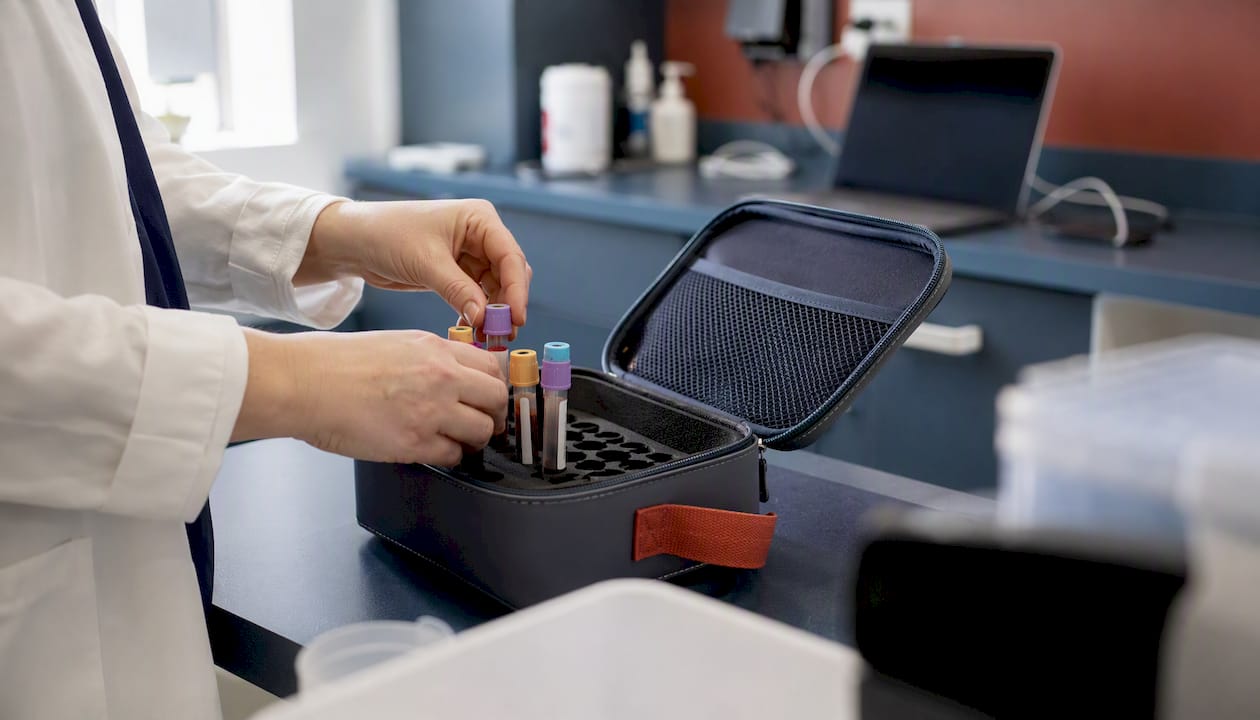
A standard telehealth evaluation for irregular periods runs roughly 30 to 45 minutes for a new patient. Follow-up visits, once labs return, are typically shorter and can often be scheduled within one to two weeks. For more on how gynecological primary care fits into this model, Anchor Health’s overview covers the full scope.
Pro Tip: Use a period-tracking app like Clue or Flo for at least 60 days before your appointment. Clinicians can often make a working diagnosis from a well-documented pattern alone, before a single lab result comes back.
Which diagnostic tests can be ordered remotely, and which require in-person care?
Telehealth clinicians can order most of the standard labs used to evaluate irregular cycles. The tests that cannot be done remotely are those requiring a physical procedure or same-day imaging in an acute setting.
Tests and procedures that require in-person attendance:
- Speculum and bimanual pelvic exam (needed to assess cervical motion tenderness, discharge, or uterine size)
- Endometrial biopsy (required when abnormal uterine bleeding raises concern for endometrial pathology)
- Immediate pelvic ultrasound in acute or heavy bleeding (requires same-day imaging, often at a hospital or urgent care facility)
- STI cultures requiring a cervical swab
When a telehealth visit reveals that in-person testing is needed, a clinician can coordinate an expedited referral to a local gynecologist or imaging center, often the same day. This coordination is a core part of how primary care supports reproductive health without requiring every step to happen in one location.
What treatments can a telehealth clinician start for irregular periods?
Many of the most effective treatments for irregular cycles can be initiated or adjusted entirely through a virtual visit. The Harvard Health clinical overview confirms that clinicians often start hormonal therapy and order labs simultaneously, without needing a physical exam first.
Treatments commonly started via telehealth:
- Combined oral contraceptives (regulate cycles, reduce flow, and manage PCOS-related symptoms)
- Progestin-only pills or cyclic progestin (for patients who cannot use estrogen)
- Transdermal patch options where clinically appropriate
- Short courses of NSAIDs like ibuprofen or naproxen for dysmenorrhea
- Metabolic and lifestyle counseling for weight-related cycle disruption
- Initial thyroid medication management while awaiting specialist referral
- Referral for metformin or other insulin-sensitizing agents in PCOS with metabolic features
When telehealth clinicians will refer for in-person procedures:
- IUD insertion (hormonal IUDs are highly effective for heavy or irregular bleeding but require an in-office procedure)
- Endometrial evaluation when biopsy is indicated
- Surgical management for fibroids, polyps, or structural causes identified on imaging
Pro Tip: Federal telehealth prescribing rules allow most non-controlled hormonal medications, including oral contraceptives, to be prescribed after a video visit without a prior in-person exam. Controlled substances follow stricter rules that vary by state. Ask your clinician directly if you have questions about what can be prescribed remotely in Maryland.
When should you go in person or to urgent care instead?
Some situations cannot wait for a scheduled telehealth appointment. Knowing these thresholds protects you.
Go to an emergency department or urgent care immediately if you have:
- Bleeding that soaks through more than one pad or tampon per hour for two or more consecutive hours
- Dizziness, fainting, rapid heart rate, or pallor alongside heavy bleeding (signs of hemodynamic instability)
- Fever above 101°F with pelvic pain or unusual discharge (possible PID or infection)
- Bleeding in pregnancy, especially with severe pain (possible ectopic pregnancy or miscarriage)
- Suspected ectopic pregnancy (positive pregnancy test with one-sided pelvic pain and spotting)
When a telehealth clinician identifies an urgent situation during a visit, they will give you direct instructions, refer you to a local emergency department or urgent care, and, when needed, arrange expedited imaging or transfer to emergency services. Telehealth does not mean you are on your own if something escalates.
Cycle thresholds that warrant evaluation even without acute symptoms: Bleeding lasting longer than seven days, unusually short or long cycles, or significant variation from cycle to cycle are all recognized referral triggers. The NICHD defines these boundaries, and Mayo Clinic notes that heavy or prolonged bleeding often requires in-person assessment and treatment beyond what a virtual visit can provide.
How do you choose the right telehealth provider for this?
Not every telehealth platform is set up to handle the full scope of an irregular period evaluation. A provider that can only renew prescriptions is not the same as one that can order labs, read results, coordinate imaging, and refer to a gynecologist.
-
Confirm board certification. Look for clinicians certified in family medicine, internal medicine, or OB/GYN. Board certification signals training in the diagnostic and treatment pathways relevant to menstrual health.
-
Verify lab and imaging ordering capability. Your provider should be able to send orders to a local lab and imaging center, not just advise you to “see a specialist.”
-
Ask about referral networks. A good telehealth provider has established pathways to in-person gynecology, urgent care, and imaging, so escalation is coordinated, not left to you.
-
Check HIPAA compliance. Your video visit and health records must be protected under HIPAA. Avoid platforms that use general-purpose video tools without healthcare-grade security.
-
Confirm insurance acceptance and pricing transparency. Know before you book whether your insurance is accepted, what your co-pay will be, and what self-pay rates look like.
-
Verify state licensure. Telehealth clinicians must be licensed in the state where you are located at the time of the visit. A Maryland patient needs a Maryland-licensed provider.
| Provider feature | What to look for |
|---|---|
| Clinician credentials | Board-certified in family medicine, internal medicine, or OB/GYN |
| Lab and imaging orders | Can send orders to local facilities; reviews results and follows up |
| Referral network | Established pathways to gynecology, urgent care, and imaging |
| Platform security | HIPAA-compliant video and records |
| Insurance and pricing | Accepts your plan; clear self-pay rates available |
| State licensure | Licensed in your state; confirm before booking |
| Follow-up access | Same-week follow-up available; named clinician continuity |
Prioritize providers that offer same-week follow-up and a named, consistent clinician. Relationship-based care, where your provider knows your history, speeds every subsequent visit and reduces the chance of something being missed.
How Anchor Health delivers telehealth care for irregular periods
Myanchorhealthpc operates entirely within Maryland, offering telehealth primary care through HIPAA-secure video visits under the Anchored Care℠ᴵᴾ model. That model is built around continuity: you see the same board-certified clinician across visits, which means your menstrual history, labs, and treatment responses are tracked over time rather than re-explained at every appointment.
What Anchor Health provides for patients with irregular cycles:
- Board-certified clinicians conducting structured menstrual health evaluations via secure video
- Ability to order and review labs (thyroid panel, CBC, hormone levels, metabolic markers) through local labs
- Referrals for pelvic ultrasound and coordination with local gynecology practices when in-person procedures are needed
- Prescriptions for hormonal contraceptives, NSAIDs, and other non-controlled medications appropriate for remote prescribing
- Metabolic and weight health support, including GLP-1 medication management where indicated, which is relevant for patients whose cycle irregularities are tied to insulin resistance or PCOS
- Insurance billing, self-pay, HSA/FSA acceptance, and an optional membership plan for enhanced access and longer visits
For patients managing women’s hormonal health through telehealth, Anchor Health’s care coordination model means that when in-person evaluation is needed, the referral is arranged, not just suggested.
Pro Tip: If you are a new patient, bring a six-month menstrual log and a list of any supplements you take, including herbal ones. Some supplements (like high-dose vitex or St. John’s Wort) interact with hormonal medications and affect cycle patterns, and clinicians need that information to prescribe safely.
What a clinician actually looks for in a telehealth visit for irregular periods
When a patient comes to us with irregular cycles, the first thing we want is pattern. How long has this been happening? Did something change around the time it started? A clear menstrual diary, even a rough one, tells us more in the first five minutes than a lab result alone.
From there, we are listening for the combination of symptoms that points toward a specific cause: hair changes and weight gain suggest we look at androgens and insulin; fatigue and cold sensitivity send us straight to the thyroid panel; a missed period in someone with recent stress and low body weight may not need labs at all before we start a conversation about energy balance and cycle recovery.
The easy wins in telehealth are real. Most patients leave the first visit with a lab order, a working diagnosis or differential, and either a prescription or a clear plan. When I decide to escalate to in-person care, it is usually because the exam findings I cannot replicate on video, such as cervical motion tenderness or uterine size, are necessary to confirm or rule out something specific. A clear menstrual diary and recent lab results genuinely speed that decision.
Anchor Health is ready to evaluate your cycle, starting today
Maryland patients dealing with irregular periods can book a new patient telehealth visit with Myanchorhealthpc and receive a structured evaluation without leaving home. Anchor Health serves adults, adolescents, and families across Maryland, accepting most major insurance plans, self-pay, and HSA/FSA funds. An optional membership plan is available for patients who want enhanced access, longer visits, and structured follow-up between appointments.

A new patient visit for irregular periods includes a full menstrual and medical history review, lab orders sent to a local facility of your choice, an initial treatment plan or prescription when appropriate, and a scheduled follow-up once results are in. When in-person procedures are needed, such as a pelvic exam or IUD insertion, Anchor Health coordinates the referral directly. To learn more about what gynecological primary care through telehealth includes, or to book your first visit, contact Myanchorhealthpc through the website. Maryland patients can schedule directly online.
Sources
- What are menstrual irregularities? | NICHD – Eunice Kennedy Shriver National Institute of Child Health and Human Development
- Womenshealth
- Irregular periods – NHS
- Overview of Menstrual Cycle Problems – Women’s Health – MSD Manual Consumer Version
- Menorrhagia – Symptoms and causes – Mayo Clinic
This article provides general health information and is not a substitute for professional medical advice. Confirm current guidelines and your specific care needs with a licensed clinician.
Recommended
- How Telehealth Works for College Students in 2026
- Postpartum Care Telehealth Benefits for New Mothers
- How to Book a Telehealth Appointment as a Young Adult
Blog & Information Disclaimer
Last Updated: May 23, 2026
The information provided on the Anchor Health website (https://myanchorhealthpc.com/), including but not limited to blog posts, articles, newsletters, graphics, and other materials (collectively, the "Content"), is for general informational and educational purposes only.
By accessing and using this website, you acknowledge and agree to the following terms and conditions:
The Content on this website is not intended to be a substitute for professional medical advice, diagnosis, or treatment. Always seek the advice of your physician, nurse practitioner, or other qualified health provider with any questions you may have regarding a medical condition. Never disregard professional medical advice or delay in seeking it because of something you have read on this website.
Reading, interacting with, or sharing the Content on this website does not establish a patient-provider relationship between you and Anchor Health or any of its clinicians, including Paule Valery Joseph, PhD, MBA, CRNP, FAAN. A formal patient-provider relationship is only established after you have completed the formal intake process, signed our clinical consent forms, and participated in a secure clinical consultation.
If you are experiencing a medical emergency, call 911 or seek emergency medical services immediately.
Anchor Health is a primary care practice and does not provide emergency or crisis intervention services through its website or blog.
While Anchor Health strives to provide thoughtful, evidence-based information grounded in our Anchored Care℠ model, healthcare is a rapidly evolving field. We make no representations or warranties, express or implied, about the completeness, accuracy, reliability, or suitability of the information contained in the Content. Any reliance you place on such information is strictly at your own risk.
Anchor Health is a telehealth practice providing services to patients physically located within the state of Maryland. The information provided on this blog is intended for residents of Maryland and is governed by the laws and regulations of that state. Accessing this information from outside of Maryland does not imply that our clinicians are licensed to practice medicine or provide consultations in your jurisdiction.
Content related to Weight & Metabolic Health, including discussions of GLP-1 medications or other medical therapies, is provided for educational context regarding our clinical approach. Prescriptions and specific medical recommendations are only made following a comprehensive clinical evaluation, diagnostic testing, and shared decision-making within a formal patient-provider relationship.
This website may contain links to external websites that are not provided or maintained by or in any way affiliated with Anchor Health. Please note that Anchor Health does not guarantee the accuracy, relevance, timeliness, or completeness of any information on these external websites.
To the fullest extent permitted by law, Anchor Health, its owners, and its employees shall not be liable for any direct, indirect, incidental, consequential, or punitive damag
Related posts