Chronic Disease Telehealth Management Tips That Work
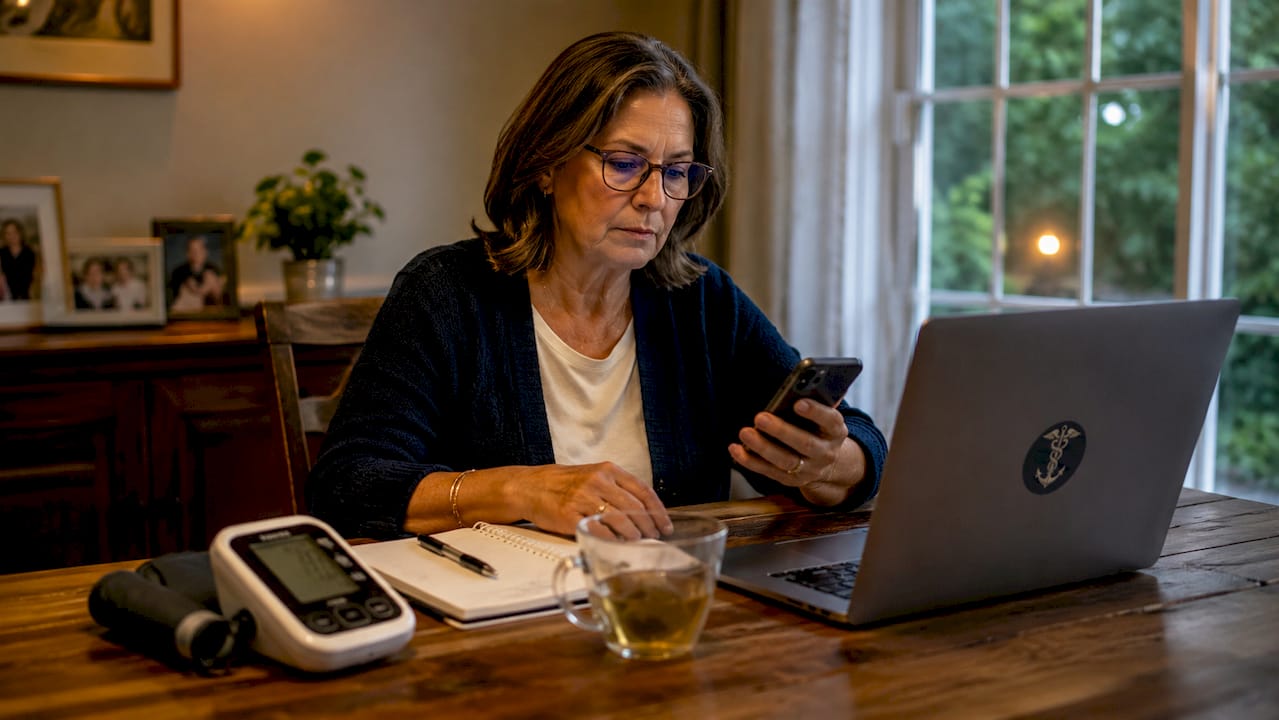
Telehealth chronic disease management is defined as the use of video visits, Remote Patient Monitoring (RPM), and asynchronous messaging to deliver continuous, coordinated care outside a clinical setting. For patients managing conditions like diabetes, hypertension, or heart failure, these chronic disease telehealth management tips are not optional upgrades. They are the difference between reactive care and a system that actually keeps you well. The strategies below draw from 2026 research and reflect the kind of relationship-based, evidence-grounded care that Myanchorhealthpc builds with every patient.
1. How can remote patient monitoring improve chronic disease outcomes?
RPM is the backbone of effective telehealth chronic illness strategies. Devices that track blood pressure, blood glucose, weight, and oxygen saturation send real-time data to your care team between visits. A 2025 review found that RPM reduces hospitalizations and length of stay in chronic disease patients. That finding matters because most chronic disease complications develop between appointments, not during them.
The data RPM collects is only useful when your care team has a defined protocol for acting on it. Patients should ask their provider which specific metrics are monitored, what thresholds trigger a response, and who contacts them when a reading is outside range. Without those answers, clinical protocols for RPM are missing, and the technology fails to improve outcomes.
Common RPM data types include:
- Blood pressure readings for hypertension and heart failure management
- Blood glucose levels for diabetes monitoring
- Body weight trends for heart failure and metabolic conditions
- Oxygen saturation for COPD and respiratory disease tracking
Pro Tip: Keep a running digital log of your vitals in a notes app or spreadsheet before each appointment. Arriving with organized data shifts your provider’s focus from collecting numbers to making treatment decisions.
2. What are best practices for medication management in telehealth?
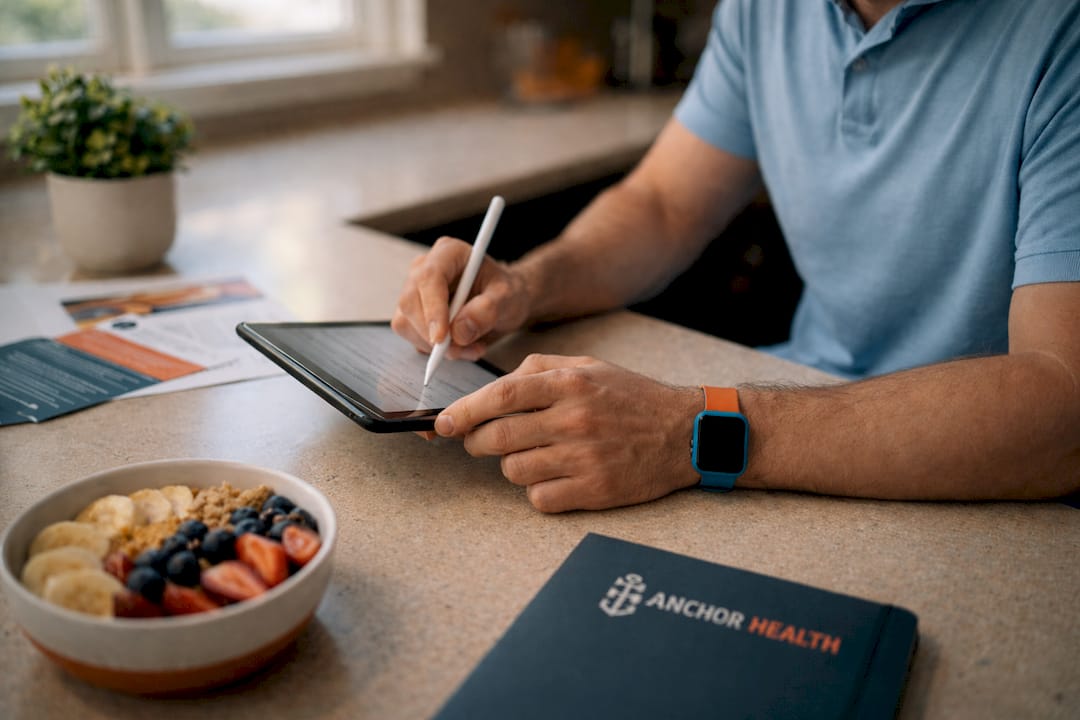
Medication adherence is one of the most common failure points in chronic care remote management. The standard 30-day refill cycle creates unnecessary gaps, added costs, and repeated administrative friction. Requesting 90-day prescription refills through your telehealth provider reduces those gaps and can cut consultation fees significantly. This shift also reduces the mental load of tracking multiple renewal dates each month.
Telehealth platforms handle refills through asynchronous review, meaning a board-certified physician reviews your data and approves the prescription without requiring a live visit every time. That process is both safe and efficient for stable chronic conditions. Understanding how the telehealth prescription process works helps you use this feature confidently rather than defaulting to urgent in-person visits for routine renewals.
Key medication management practices for telehealth patients:
- Request 90-day supplies for maintenance medications whenever clinically appropriate
- Use your patient portal to submit refill requests before you run out, not after
- Flag side effects or adherence issues through secure messaging so your provider can adjust your regimen between visits
- Confirm your pharmacy preference is saved in the platform to avoid delays
Pro Tip: Set a calendar reminder 10 days before your medication runs out. That window gives your care team enough time to review and approve a refill without rushing.
3. How can patients strengthen communication in telehealth care?
Strong communication is the defining factor in whether virtual health management tips translate into real outcomes. Patients who co-design their care plans with their clinicians report better adherence and higher satisfaction. Patient participation improves usability and the long-term success of telehealth programs. That means your input on what is working and what is not directly shapes the quality of your care.
Avoid the “sending data into a void” mindset. Every piece of information you share through your telehealth portal should have a defined response expectation. Before your next visit, confirm these four things with your care team:
- Which metrics your provider actively monitors between appointments
- The response time for secure messages and portal questions
- Who covers your care when your primary provider is unavailable
- How urgent changes in your condition should be reported
Asynchronous messaging and virtual check-ins are not just convenience features. They are clinical tools. Using them consistently keeps your provider informed and reduces the chance that a small problem becomes an emergency.
4. Which telehealth tools best support chronic disease management?
Combining video visits, RPM, and asynchronous messaging is the most effective model for managing chronic diseases online. Each tool serves a distinct purpose, and using them together creates continuity that a single visit type cannot achieve alone.
The table below compares the four primary telehealth modalities by function and best use case:
| Tool | Primary function | Best for |
|---|---|---|
| Video visits | Real-time clinical assessment | Symptom review, care plan updates, medication changes |
| Remote Patient Monitoring (RPM) | Continuous biometric data collection | Hypertension, diabetes, heart failure, COPD |
| Remote Therapeutic Monitoring (RTM) | Tracks therapy adherence and pain | Musculoskeletal conditions, physical therapy follow-up |
| eConsults | Specialist input without referral delays | Complex cases requiring specialist review |
Hybrid care models that switch between virtual and in-person visits based on patient needs are now considered standard of care for high-risk chronic disease patients. These models support medication adherence, patient education, and reduce avoidable acute events. High-risk patients benefit most from post-discharge telehealth follow-ups paired with short-term RPM to prevent readmissions.
Telehealth is not a replacement for in-person care. It is a layer of continuous support that makes in-person visits more targeted and productive when they do occur.
5. How to prepare for a telehealth visit when managing a chronic condition
Preparation is the single most controllable variable in a telehealth visit. Patients who arrive with organized information get more from their appointments than those who rely on memory alone. A first primary care visit checklist covers the technical and clinical basics, but chronic disease patients need a layer beyond that.
Before each appointment, gather the following:
- Recent vitals from your RPM device or home monitoring equipment
- A list of current medications with dosages and any missed doses noted
- Symptom changes since your last visit, written down with dates
- Questions ranked by priority so the most pressing issues get addressed first
Your provider can only act on what you share. Arriving prepared shifts the conversation from status updates to clinical decisions. That shift is where telehealth delivers its real value for chronic care.
6. What common challenges do patients face with telehealth, and how can they overcome them?
High dropout rates in digital health relate more to technical fatigue and motivation than to disease severity. That finding reframes the problem. Patients who disengage are not failing at their health. They are responding to systems that ask too much with too little support.
The solution is low-burden, adaptive care. Effective remote care tips for chronic conditions include:
- Simplify your monitoring routine. Track only the metrics your care team actively uses. Measuring everything creates noise, not insight.
- Schedule your telehealth check-ins like appointments. Treating them as optional leads to skipped visits and gaps in care.
- Use telehealth accessibility resources to reduce technical friction, especially if you are managing care for a family member as well.
- Tell your provider when a tool is not working for you. Adaptive, low-burden interventions that patients co-design with clinicians produce better long-term results than rigid programs.
Pro Tip: If you find yourself dreading your telehealth check-ins, that is clinical information. Tell your provider. Adjusting the frequency or format of monitoring is a legitimate care decision, not a failure.
7. How digital health works as a system, not just a tool
Telehealth succeeds as a service redesign, not as a technology add-on. Patients who treat their telehealth platform as a passive appointment scheduler miss most of its value. The platform is a continuous care infrastructure. Using it that way requires governance, defined workflows, and a care team with the authority to act on the data you send.
A meta-analysis of 55 randomized controlled trials found a meaningful improvement in heart failure self-care monitoring with digital health interventions. That result reflects what happens when digital tools are embedded in a real clinical workflow, not just offered as an option. For patients managing chronic diseases online, the practical implication is clear: choose a provider who has defined what happens after you submit your data.
Key takeaways
Effective telehealth chronic disease management requires RPM, proactive medication management, and defined communication protocols working together as a continuous care system.
| Point | Details |
|---|---|
| Use RPM with clear protocols | Confirm which metrics your team monitors and what triggers a clinical response. |
| Switch to 90-day refills | Longer prescription cycles reduce gaps, lower costs, and cut administrative burden. |
| Co-design your care plan | Patients who shape their telehealth plans show better adherence and long-term engagement. |
| Prepare vitals before visits | Organized data shifts provider focus from collection to treatment decisions. |
| Address tech fatigue early | Dropout relates to motivation and burden, not disease severity. Tell your provider when tools stop working. |
What I have learned about telehealth and chronic disease
The patients I see get the most from telehealth when they stop waiting for their provider to drive every interaction. The technology works best when you use it between visits, not just during them. Submitting a blood pressure log, flagging a medication side effect through the portal, or asking a clarifying question via secure message. These small actions keep your care team informed and your care plan current.
The harder truth is that telehealth does not fix a fragmented care relationship. If your provider does not have a defined workflow for your RPM data, the device is just a gadget. If your refill requests disappear into a queue with no response timeline, the portal is just a form. The right question to ask any telehealth provider is not “do you offer RPM?” It is “what happens after I send you my data?”
For patients managing diabetes, hypertension, or heart failure, telehealth diabetes care strategies and similar condition-specific frameworks give you a concrete starting point. The model that works is one where your provider is accountable to your data, not just available for your appointments.
— Paule
Myanchorhealthpc and your chronic disease care
Myanchorhealthpc delivers primary care through secure video visits under the Anchored Care℠ᴵᴾ model, which is built on continuity and defined clinical workflows, not episodic check-ins. For patients managing chronic conditions in Maryland, that means a consistent provider who reviews your data, manages your prescriptions, and stays engaged between visits.
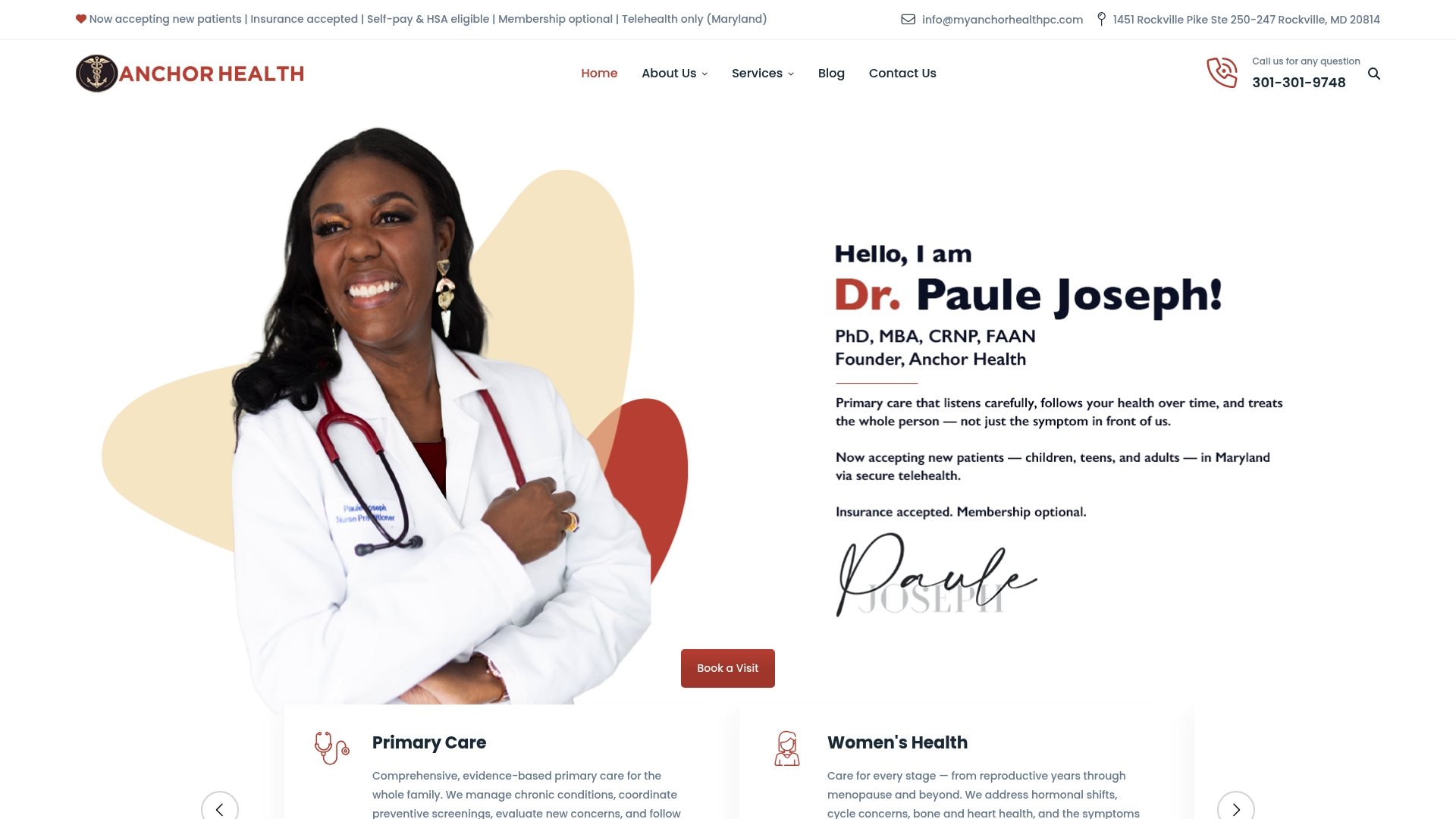
The telehealth prescription process at Myanchorhealthpc includes board-certified physician review for refills, so you are not chasing renewals at the last minute. Caregivers supporting a family member with a chronic condition can also learn how telehealth supports busy caregivers within the same care framework. If you are ready for a provider who treats your data as a clinical responsibility, Myanchorhealthpc is accepting new patients in Maryland.
FAQ
What is remote patient monitoring in telehealth?
Remote Patient Monitoring (RPM) uses connected devices to collect biometric data like blood pressure, glucose, and oxygen saturation between visits. That data is reviewed by your care team and used to adjust treatment without requiring a live appointment.
How often should chronic disease patients have telehealth check-ins?
Check-in frequency depends on condition severity and your care plan. High-risk patients typically benefit from more frequent virtual visits, especially after a hospitalization or medication change.
Can telehealth replace in-person care for chronic conditions?
Hybrid care models achieve outcomes comparable to in-person care for many chronic conditions when embedded in continuous care systems. Telehealth complements in-person visits rather than replacing them entirely.
How do I get prescription refills through telehealth?
Most telehealth platforms allow you to request refills through a patient portal. A board-certified physician reviews the request asynchronously and approves it without requiring a live visit for stable, ongoing medications.
What should I do if I feel burned out from telehealth monitoring?
Tell your provider directly. High dropout rates in digital health programs are driven by technical fatigue, not disease severity. Adjusting your monitoring plan is a clinical decision your care team can make with you.
Recommended
- How to Manage Diabetes Care Through Telehealth
- Telehealth Benefits for Busy Caregivers in 2026
- How Telehealth Works for College Students in 2026
- How Telehealth Handles Sick Child Visits for Families
Blog & Information Disclaimer
Last Updated: May 23, 2026
The information provided on the Anchor Health website (https://myanchorhealthpc.com/), including but not limited to blog posts, articles, newsletters, graphics, and other materials (collectively, the "Content"), is for general informational and educational purposes only.
By accessing and using this website, you acknowledge and agree to the following terms and conditions:
The Content on this website is not intended to be a substitute for professional medical advice, diagnosis, or treatment. Always seek the advice of your physician, nurse practitioner, or other qualified health provider with any questions you may have regarding a medical condition. Never disregard professional medical advice or delay in seeking it because of something you have read on this website.
Reading, interacting with, or sharing the Content on this website does not establish a patient-provider relationship between you and Anchor Health or any of its clinicians, including Paule Valery Joseph, PhD, MBA, CRNP, FAAN. A formal patient-provider relationship is only established after you have completed the formal intake process, signed our clinical consent forms, and participated in a secure clinical consultation.
If you are experiencing a medical emergency, call 911 or seek emergency medical services immediately.
Anchor Health is a primary care practice and does not provide emergency or crisis intervention services through its website or blog.
While Anchor Health strives to provide thoughtful, evidence-based information grounded in our Anchored Care℠ model, healthcare is a rapidly evolving field. We make no representations or warranties, express or implied, about the completeness, accuracy, reliability, or suitability of the information contained in the Content. Any reliance you place on such information is strictly at your own risk.
Anchor Health is a telehealth practice providing services to patients physically located within the state of Maryland. The information provided on this blog is intended for residents of Maryland and is governed by the laws and regulations of that state. Accessing this information from outside of Maryland does not imply that our clinicians are licensed to practice medicine or provide consultations in your jurisdiction.
Content related to Weight & Metabolic Health, including discussions of GLP-1 medications or other medical therapies, is provided for educational context regarding our clinical approach. Prescriptions and specific medical recommendations are only made following a comprehensive clinical evaluation, diagnostic testing, and shared decision-making within a formal patient-provider relationship.
This website may contain links to external websites that are not provided or maintained by or in any way affiliated with Anchor Health. Please note that Anchor Health does not guarantee the accuracy, relevance, timeliness, or completeness of any information on these external websites.
To the fullest extent permitted by law, Anchor Health, its owners, and its employees shall not be liable for any direct, indirect, incidental, consequential, or punitive damag
Related posts